


10 Key Takeaways from World of Coffee Brussels 2026
14 July 2026The Future of Coffee Starts with the Plant: Resilient Varieties, Climate, and Sustainability
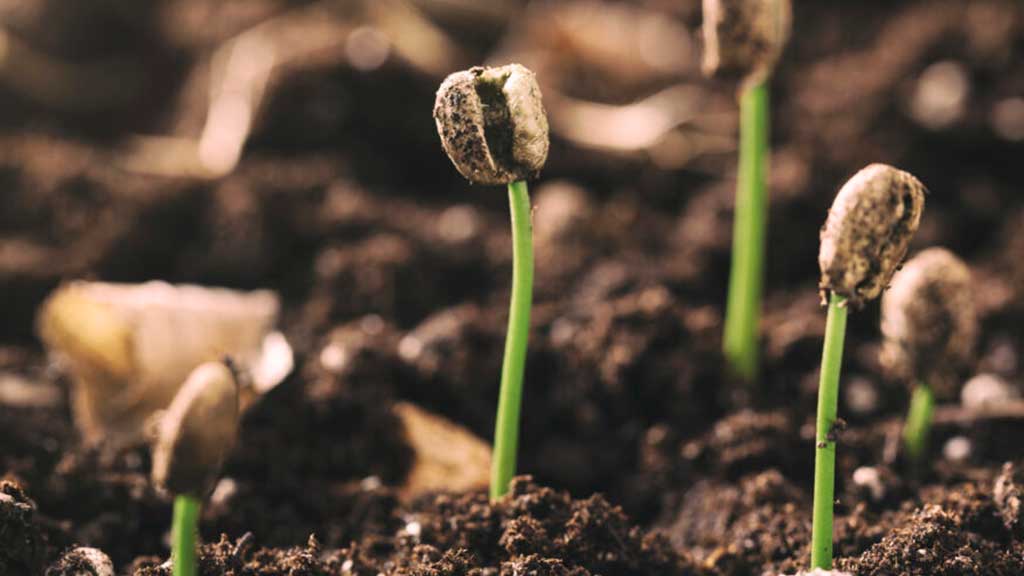
New varieties, genetic research, international trials, and more efficient seed systems: the future of coffee is built long before the product reaches the roastery or the coffee shop.
When we talk about coffee sustainability, we often think about certifications, traceability, emissions, packaging, or waste management in coffee shops.
These are all important topics, but the new World Coffee Research Annual Report 2025 invites the industry to look even further back along the supply chain: all the way to the coffee plant.
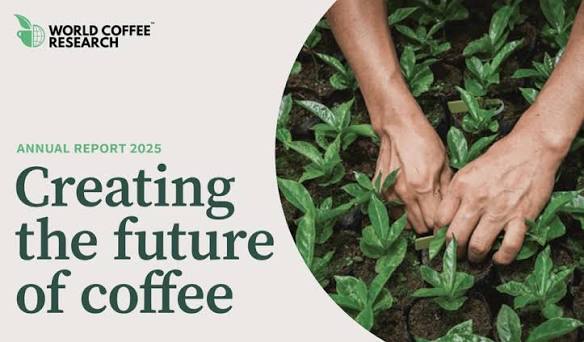
Published in May 2026 and covering activities carried out during 2025, the report presents the work of World Coffee Research across four main areas: breeding, variety trials, seed systems, and international collaboration.
The principle behind these activities is simple: without productive plants that are resistant to disease, adapted to changing climates, and capable of delivering good cup quality, it becomes difficult to build a truly sustainable coffee supply chain.
The future of Coffee Starts with Genetics
A major part of the sustainability debate focuses on farming practices: water management, soil fertility, pesticide reduction, shade cultivation, and biodiversity.
However, even the best agronomic practices may not be enough when the varieties being cultivated are vulnerable to high temperatures, drought, or diseases such as coffee leaf rust.
For this reason, World Coffee Research invests in the development of new varieties capable of combining:
- productivity;
- cup quality;
- disease resistance;
- adaptation to heat and drought;
- greater yield stability;
- adaptation to local conditions.
The goal is not to create a single “super variety” suitable for every country. It is to provide national breeding programs with greater genetic diversity, from which they can select plants that are better suited to different environments.
Innovea: A Global Network for the Coffee of the Future
One of the key projects described in the report is Innovea, World Coffee Research’s global breeding network.
Innovea connects research institutions and coffee-producing countries by sharing genetic material, data, and breeding technologies. The network currently involves 11 countries that account for more than 40% of global coffee production. In 2025, the program was expanded to include Coffea canephora, commonly known as Robusta, alongside Arabica. The expansion involved new national partners, including Vietnam and Ghana.
Through genomic technologies and data-driven selection systems, Innovea aims to accelerate the development of plants capable of coping with heat, drought, and disease while maintaining productivity and sensory quality.
International collaboration is particularly important because climate change will not affect all coffee-producing regions in the same way. A variety suited to conditions in Uganda may not perform equally well in Colombia, Vietnam, or Peru.
Thirty Years to Develop a Variety Is Too Long
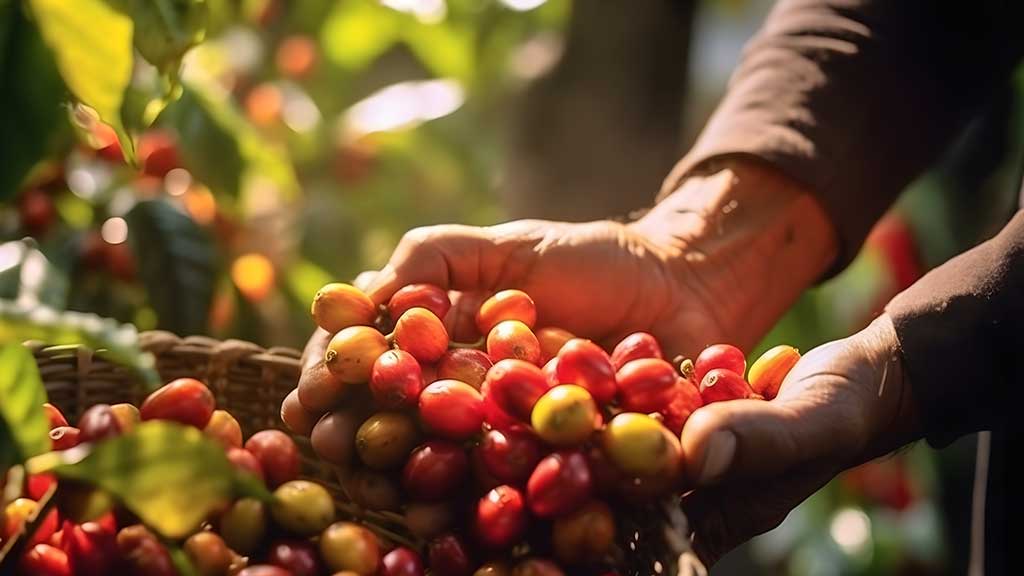
Traditional coffee breeding is an extremely slow process.
A coffee plant takes years before it can provide reliable data on productivity, disease resistance, and cup quality. The complete development of a new variety may therefore take several decades.
World Coffee Research is working with genomic selection tools and genetic markers to identify the most promising plants more quickly.
Accelerating breeding does not mean eliminating field trials. It means using genetic information more effectively, avoiding the investment of years of work in plants with little chance of success.
In a rapidly changing climate, shortening the research cycle becomes an essential component of coffee supply chain resilience.
Testing Varieties in Different Environments
Another strategic project is the International Multilocation Variety Trial, an international network of variety trials.
The project compares Arabica varieties originating from different breeding programs by growing them in multiple countries and environmental conditions.
These trials make it possible to study the relationship between:
- plant genetics;
- climate;
- altitude;
- productivity;
- disease resistance;
- sensory quality;
- crop stability.
The results confirm a fundamental agronomic principle: the performance of a variety depends on the interaction between genetics and environment.
A plant that produces high yields in one area may be less productive or more vulnerable in another. Variety selection must therefore be supported by local trials and data collected over time.
Climate Change and Suitable Coffee-Growing Areas
The relationship between coffee and climate change is one of the main reasons why developing new varieties has become so urgent. Scientific research linked to World Coffee Research has estimated that, by 2050, around half of the areas currently considered climatically suitable for Arabica cultivation could lose part of their suitability.
The effects will not be uniform. The most significant losses may affect warmer regions with long dry seasons, including areas of Brazil, India, and Central America.
This does not necessarily mean that coffee production will disappear from these regions. It means that the following may become necessary:
- new genetic material;
- more efficient irrigation systems;
- shade-grown production;
- more accurate soil management;
- relocation of cultivation to different altitudes;
- crop diversification;
- renovation of coffee plantations.
Variety research is therefore one of the tools available for adaptation, but it cannot be considered the only solution.
The Last-Mile Problem: Getting Plants to Farmers
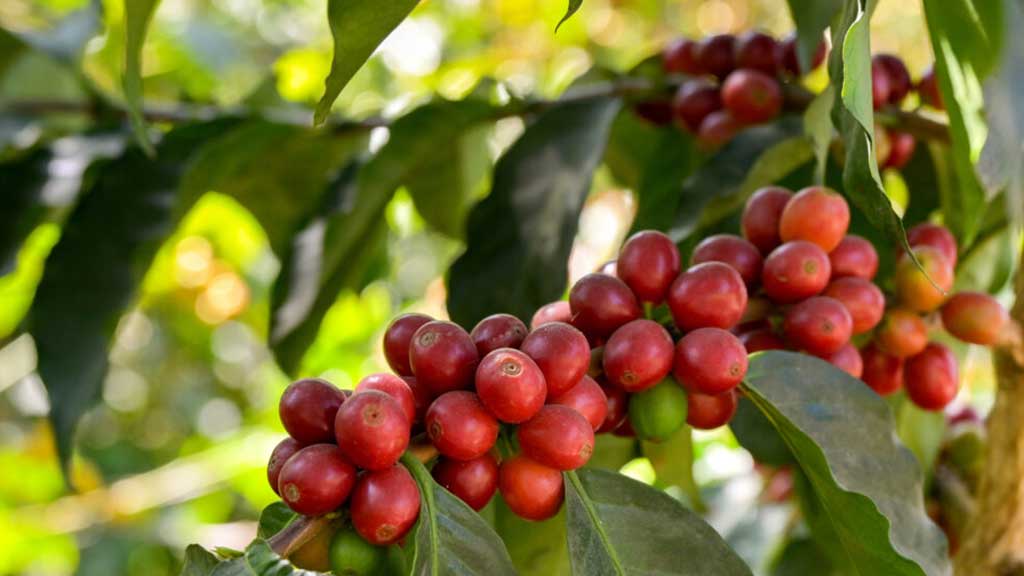
Developing a disease-resistant variety inside a research centre is not enough. The plant must actually reach farmers.
This requires:
- reliable seed plots;
- professional nurseries;
- propagation systems;
- genetic conformity controls;
- trained technicians;
- distribution networks;
- access to finance for farm renovation.
This stage is often described as the last mile: the final step between research and practical application in the field.
The WCR report therefore places strong emphasis on nurseries and seed systems. The objective is to increase the availability of reliable seeds and seedlings, reducing the risk that farmers purchase plant material that is genetically incorrect, poorly productive, or unsuitable for local conditions.
This is a central element of sustainability: a new variety creates impact only when it becomes accessible, economically viable, and usable by producers.
Genetics Cannot Solve Everything
The report demonstrates the value of genetic research, but it is important to avoid an overly simplistic interpretation. A more resistant variety does not automatically solve every problem in the coffee supply chain.
Coffee sustainability also depends on:
- farmers’ income and economic conditions;
- volatility in international coffee prices;
- access to finance;
- the cost of renovating plantations;
- labour availability;
- protection of soil and water resources;
- biodiversity;
- working conditions;
- gender equity;
- technical training;
- value distribution across the supply chain.
Genetics is therefore a fundamental tool, but it must be part of a broader strategy.
Environmental, economic, and social sustainability must advance together.
What Does This Mean for Baristas and Roasters?
A barista does not need to become a geneticist, and a roaster does not necessarily need to manage a breeding program.
However, understanding these topics helps coffee professionals interpret the product more accurately.
The varieties cultivated today influence:
- future coffee availability;
- green coffee prices;
- supply stability;
- sensory characteristics;
- farm productivity;
- vulnerability to disease;
- climate adaptation capacity.
Understanding the difference between species, variety, cultivar, and hybrid also makes it possible to communicate coffee more accurately, avoiding the reduction of sustainability to a slogan or a logo printed on a bag.
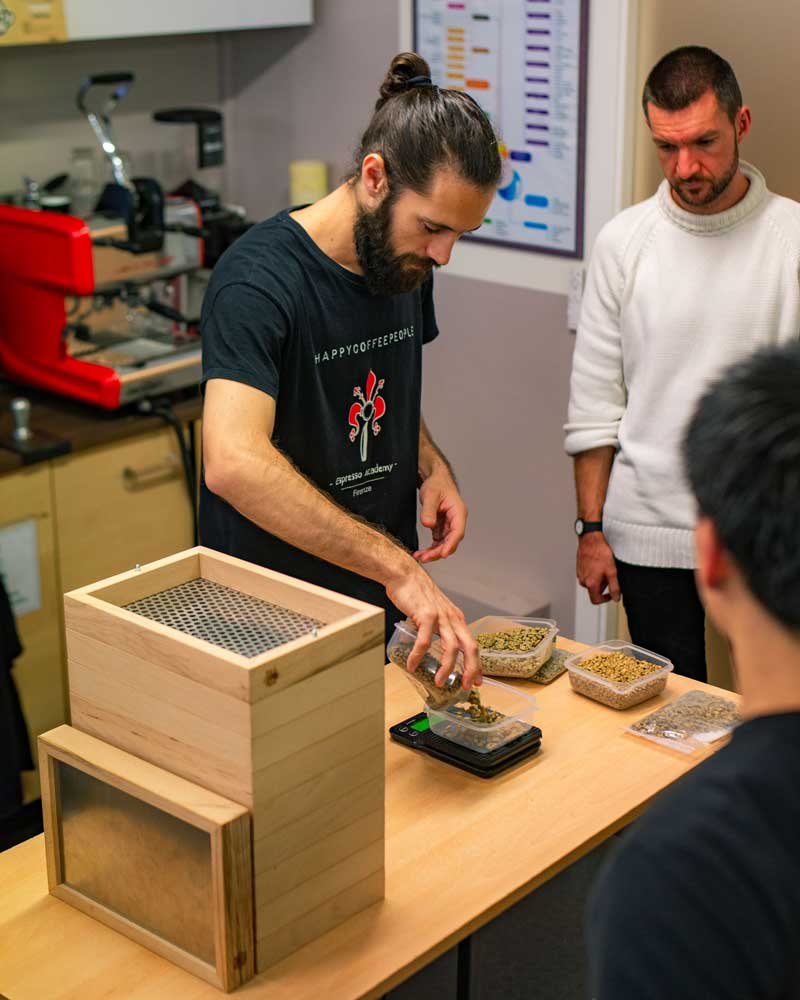
To explore coffee botany, varieties, cultivation, processing methods, classification, and market dynamics in greater depth, professionals can attend the Espresso Academy Green Coffee and SCA Green Coffee courses.
Foundation, Intermediate, and Professional pathways are available, both for those approaching green coffee for the first time and for professionals involved in sourcing, purchasing, and quality control.
An online Green Coffee course is also available, covering coffee botany, Arabica and Canephora, varieties, cultivation, processing, defects, moisture, density, and the international coffee market.
Studying Coffee Sustainability with Espresso Academy

The World Coffee Research report demonstrates that sustainability cannot be reduced to a single certification.
It is a complex system in which research, agronomy, genetics, economic conditions, trade, transformation, and consumption are closely connected.
The Espresso Academy Coffee Sustainability Course explores this systemic perspective.
The program covers:
- the three pillars of sustainability;
- climate change and agronomy;
- coffee economics and price volatility;
- working conditions and equity;
- the role of producer organisations;
- certifications;
- research and development;
- the opportunities and limitations of the main sustainability solutions.
At the end of the course, participants can continue towards the Specialty Coffee Association Coffee Sustainability certification pathway.
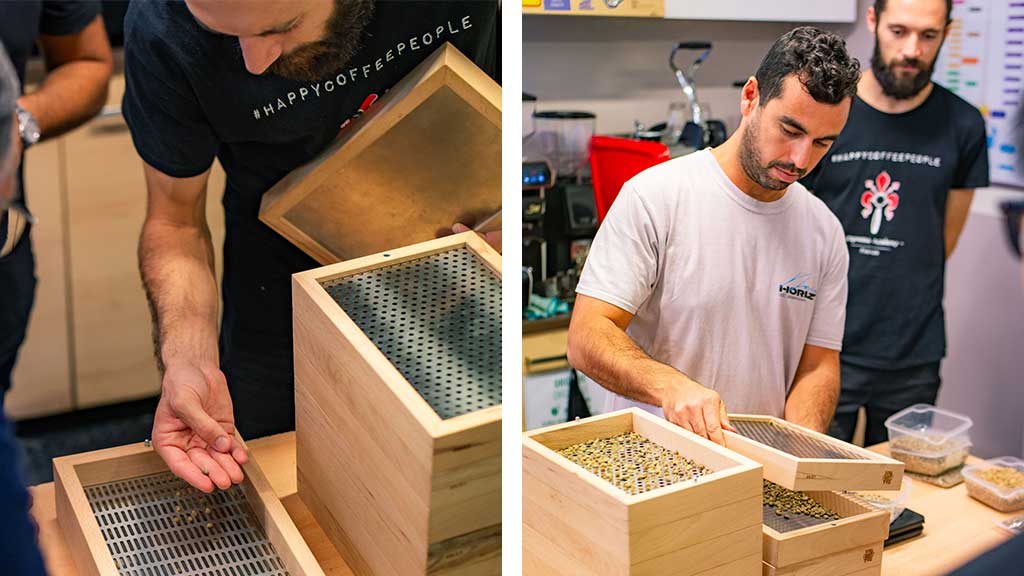
Those who prefer to study independently can choose the online Coffee Sustainability course, which focuses on the environmental, social, and economic dimensions of the supply chain, as well as strategies for communicating sustainability without falling into greenwashing.
Conclusion
The main lesson of the WCR Annual Report 2025 is that the future of coffee is decided long before roasting and extraction. It begins in research centres, experimental farms, nurseries, and in the decisions farmers make when renovating plantations that will remain productive for many years.
Investing in research, training, and the distribution of more resilient plants means reducing risk for producers and protecting the diversity of coffees available on the market.
It also means recognising that there are no isolated solutions.
New varieties, good agricultural practices, decent incomes, access to knowledge, and international collaboration are all part of the same system.
Understanding this system is the first step towards making a concrete contribution to coffee sustainability.