


How to Become a Barista in Italy: A Complete Guide
24 March 2025
Coffee in the Gulf: From Arabic Traditions to Specialty Coffee
22 October 2025Revolution in a Cup: The New Coffee Value Assessment (CVA) by SCA and the Future of Coffee Quality


The Coffee Value Assessment (CVA) represents a groundbreaking shift in evaluating specialty coffee, introduced by the Specialty Coffee Association (SCA).
Moving beyond the traditional 0-100 scoring system, the CVA offers an innovative, comprehensive approach that captures the full value of coffee. This method transcends simple sensory analysis, incorporating physical and intangible criteria to provide a complete and meaningful overview of each coffee’s journey, from farm to cup.
What is the Coffee Value Assessment (CVA)?
A Holistic New Definition of Quality
The CVA by SCA introduces a broader and more nuanced definition of coffee quality, combining three core components: sensory, physical, and intangible elements. In addition to traditional flavor parameters, it carefully considers physical aspects such as green bean quality and intangible elements including sustainability, social impact, and traceability. This system enables industry professionals—from producers and roasters to consumers—to appreciate the authenticity and comprehensive significance of the coffee they enjoy.

Why CVA?
Overcoming the Limitations of Traditional Cupping Scores
While the traditional cupping system has been foundational, it presented notable limitations. Primarily reliant on sensory numerical scores, it failed to fully communicate the added value from ethical and sustainable practices or the personal stories of producers. CVA addresses these limitations by evaluating the complete spectrum of coffee quality, fostering a fairer, more transparent, and sustainable supply chain.
How Does CVA Work?
The Fundamental Components
The CVA evaluation system is structured around four primary components:
- Sensory Evaluation: Analyzes not just taste attributes, but also incorporates personal preferences and overall experiences.
- Physical Evaluation: Focuses on inspecting green coffee beans, assessing defects, moisture content, and density.
- Intangible Evaluation: Includes evaluating the coffee’s history, sustainability practices, traceability, and socio-environmental impact.
- Specific Parameters for Q Graders: Offers advanced technical criteria specifically designed for professional accuracy among Q Graders.
Introducing CVA into Q Grader and SCA Sensory Skills Programs
Integrating and Unifying Certifications
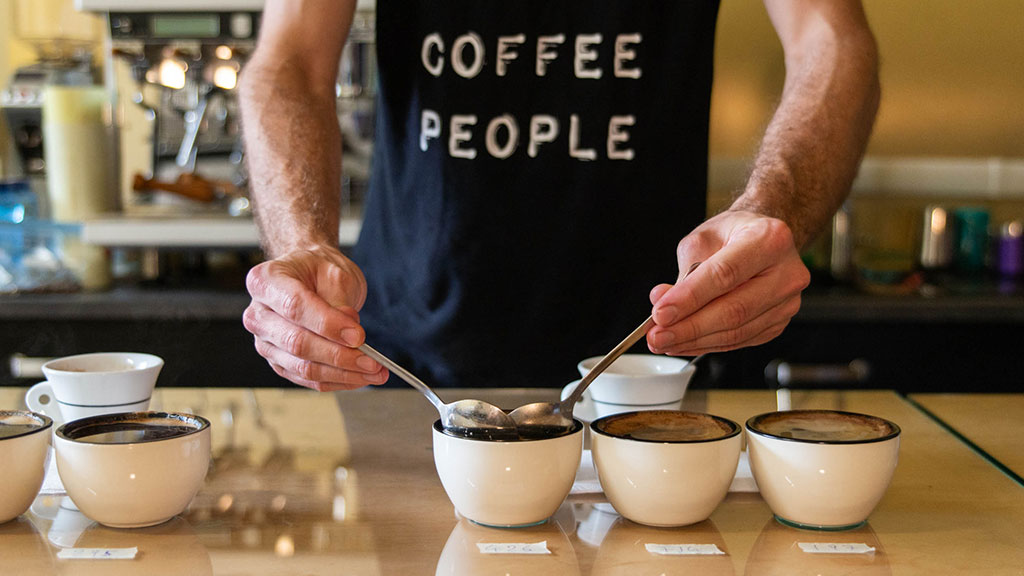
A significant advancement brought by CVA involves its integration into official training programs such as the CQI Q Grader and SCA Sensory Skills courses. This integration aims to unify and harmonize training standards, providing professionals with more precise and consistent evaluation tools. Q Graders will benefit from an updated methodology enriching their expertise with broader and more meaningful evaluation criteria, fostering a universal language within the coffee evaluation community.
CVA’s Impact on the Coffee Industry
Tangible Benefits for Producers, Roasters, and Consumers
Implementing CVA brings substantial changes and benefits to the entire coffee industry:
- Producers: Improved ability to effectively communicate their coffee’s authentic quality and value, leading to fairer prices and greater recognition.
- Roasters: Enhanced capability to select and communicate coffee values effectively, improving customer education and appreciation.
- Consumers: Increased awareness of specialty coffee complexity, encompassing ethical and sustainable aspects, enabling more informed consumer choices.
- Market: Progressively higher standards of transparency, fairness, and sustainability throughout the value chain.
Conclusion
CVA as a Bridge Between Production and Consumption
The Coffee Value Assessment (CVA) serves as a crucial communicative bridge connecting production and consumption authentically. By promoting transparency and highlighting every aspect of coffee value, CVA paves the way toward a more equitable, sustainable, and conscious industry future. Adopting this system marks not just a step forward for the coffee industry but a true paradigm shift in evaluating and appreciating specialty coffee.