


Revolution in a Cup: The New Coffee Value Assessment (CVA) by SCA and the Future of Coffee Quality
24 June 2025
Italian Coffee Ambassador in Sri Lanka: Espresso Academy, espresso culture, and IBC certifications worldwide
6 February 2026Coffee in the Gulf: From Arabic Traditions to Specialty Coffee

Learn, Grow, and Partner with Espresso Academy Italy
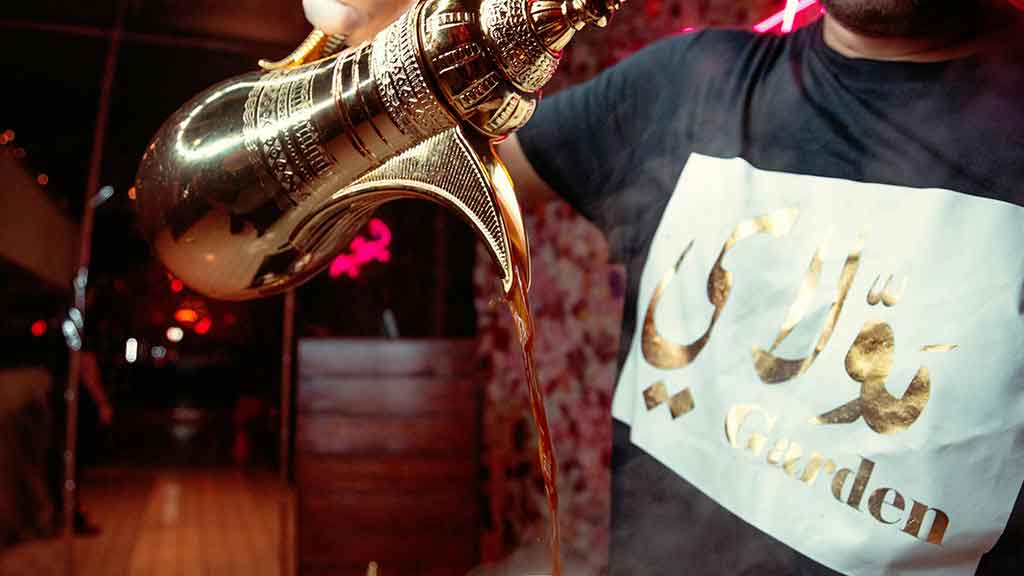
In the Gulf region, coffee is not just a beverage — it’s a ritual, a statement of identity, and a bridge between cultures. From the gahwa served in golden dallah pots in Riyadh and Muscat to the sleek espresso machines of Dubai’s specialty cafés, the Gulf has developed one of the most dynamic and fascinating coffee markets in the world.
Today, this region stands at a crossroads between tradition and innovation: where centuries-old hospitality meets the creativity of a young, global generation of baristas, roasters and entrepreneurs.
The Coffee Market in the Gulf: Growth, Modernity and Vision
The numbers speak for themselves. The coffee market across the Gulf Cooperation Council (GCC) surpassed 6.8 billion USD in 2024, and is projected to grow by around 10% per year over the next decade. In Saudi Arabia, new café brands appear almost weekly. The UAE, and especially Dubai, has become the region’s international hub for coffee education and events such as World of Coffee Dubai.
Kuwait, Qatar and Oman have also seen an impressive rise in independent roasters and boutique cafés, often founded by young professionals trained abroad. Even in Yemen — the historical birthplace of coffee — modern roasteries are merging centuries-old cultivation traditions with modern quality control and roasting practices.
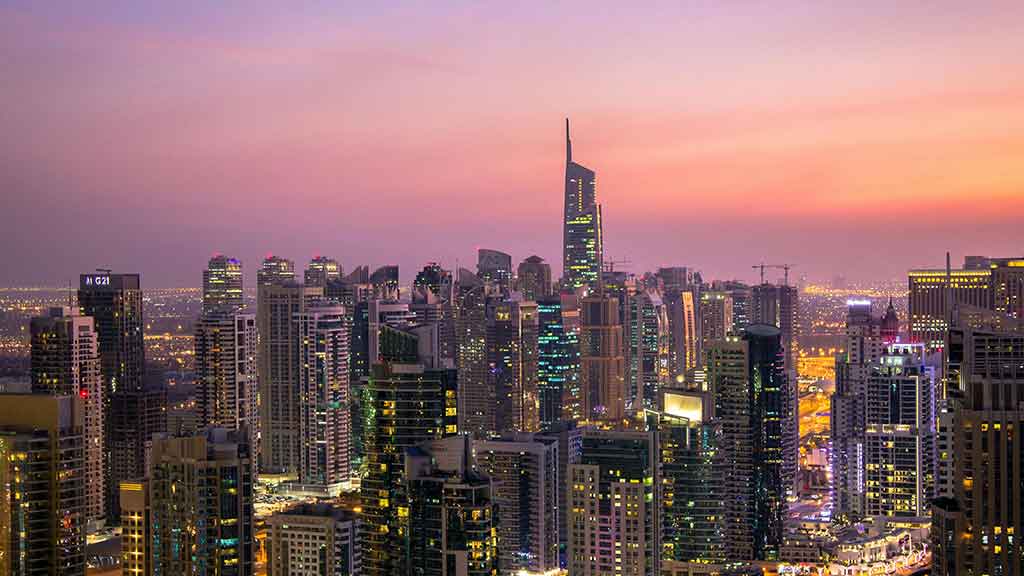
This cultural and commercial renaissance is supported by a population that is increasingly curious, educated and connected. Social media, influencer cafés and global travel have accelerated exposure to different brewing methods, latte art, and coffee trends from around the world.
The Top Coffee Trends in the Gulf: Sweet, Iconic and Locally Inspired
While espresso and cappuccino remain international staples, the Gulf has developed its own coffee identity, expressed through a unique set of drinks that combine Italian technique with local taste.
Let’s explore the three recipes that dominate café menus across Saudi Arabia, UAE, Qatar, Oman and Kuwait.
The Spanish Latte — The Symbol of the Modern Gulf Café
If there’s one drink that defines the new coffee era in the Gulf, it’s the Spanish Latte.
Despite its name, it’s not from Spain: it was born in the Gulf, probably in Saudi Arabia, as a sweet adaptation of the Italian café latte.
Made with espresso, milk and a touch of condensed milk, the Spanish Latte perfectly balances creaminess and sweetness — ideal for local palates that prefer smooth and rich textures.
It can be served hot or iced, and its visual appeal, with layers of coffee and milk, makes it a star on social media. Almost every café chain — from small specialty shops to drive-thru franchises — offers a version of it. Some even elevate it with natural sweeteners or flavor infusions, such as honey or vanilla beans. For baristas, mastering the Spanish Latte means mastering milk texturing and proportion — skills deeply rooted in Italian espresso culture, which Espresso Academy teaches in its Barista and Latte Art courses.
The Pistachio Latte — The Flavor of Prestige and Heritage
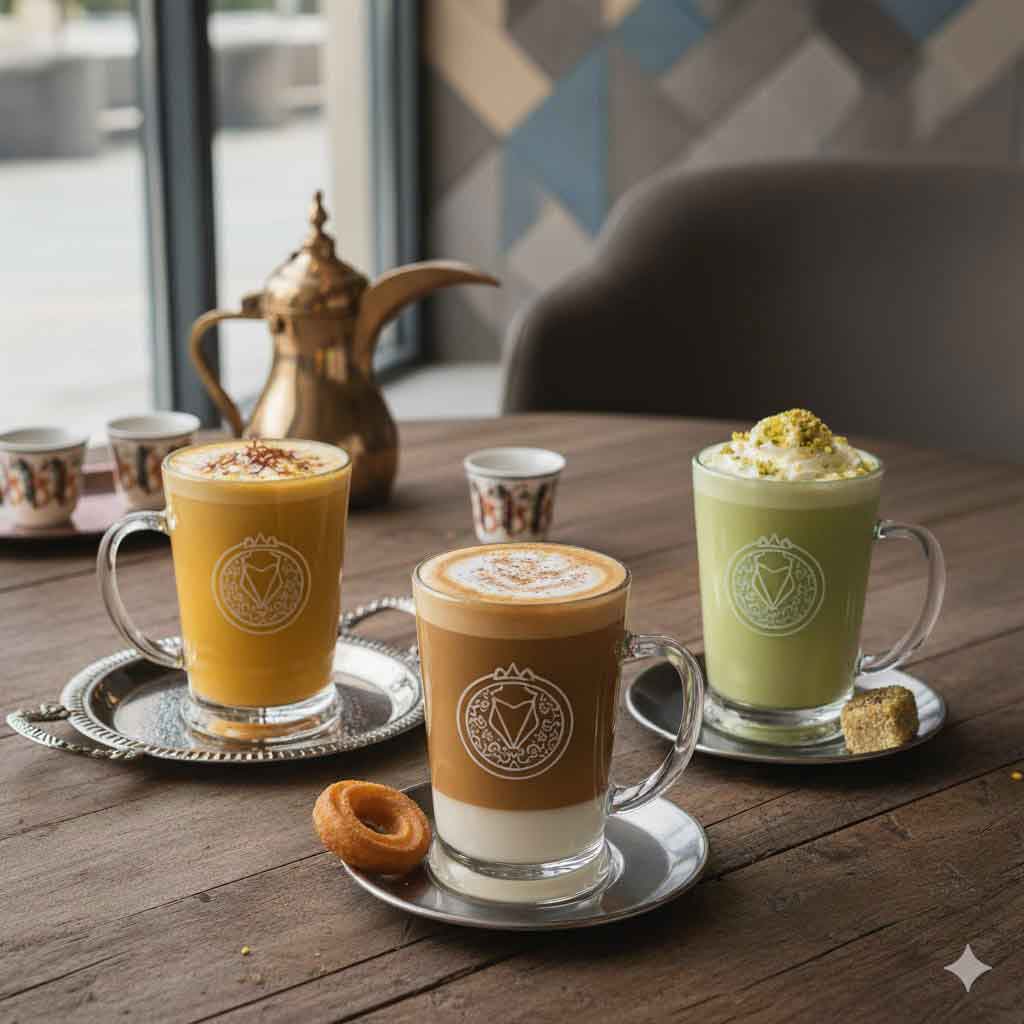
Few ingredients represent Middle Eastern taste better than pistachio. Its rich, nutty sweetness and elegant color make it a symbol of both tradition and luxury — and now, one of the biggest café trends of the last three years.
The Pistachio Latte, whether made with espresso and pistachio cream or syrup, has become a signature drink in Dubai, Riyadh and Doha. Its success comes from its perfect blend of indulgence and innovation: familiar yet refined.
High-end cafés often make their own pistachio paste, pairing it with microfoamed milk to achieve a velvety texture, while others serve it iced with cold foam and a sprinkle of crushed nuts on top.
For many coffee entrepreneurs, creating the perfect pistachio drink has become a branding element — a way to express a café’s identity, much like latte art once did for specialty coffee shops in Europe.
The Saffron Latte — Tradition in a Modern Cup
The third major trend drink is the Saffron Latte, a beverage that captures the soul of Gulf heritage.
Saffron, long associated with Arabic and Persian gastronomy, brings warmth, aroma and color — and when combined with espresso and milk, it creates a drink that feels both ancient and modern.
The Saffron Latte often replaces sugar with natural sweeteners like honey, and may be served with rose petals or cardamom — ingredients deeply tied to the region’s flavor identity.
It’s not only a drink; it’s a storytelling experience. For many café owners, it’s the perfect symbol of what coffee in the Gulf has become: respectful of tradition, yet ready to innovate.
Beyond the Trends: The Rise of Manual Brewing and Cold Coffee
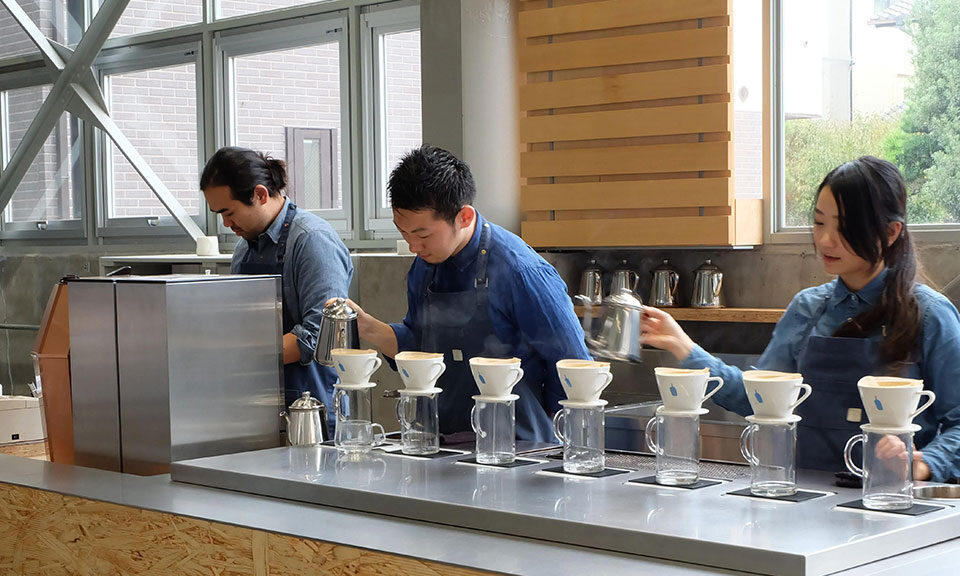
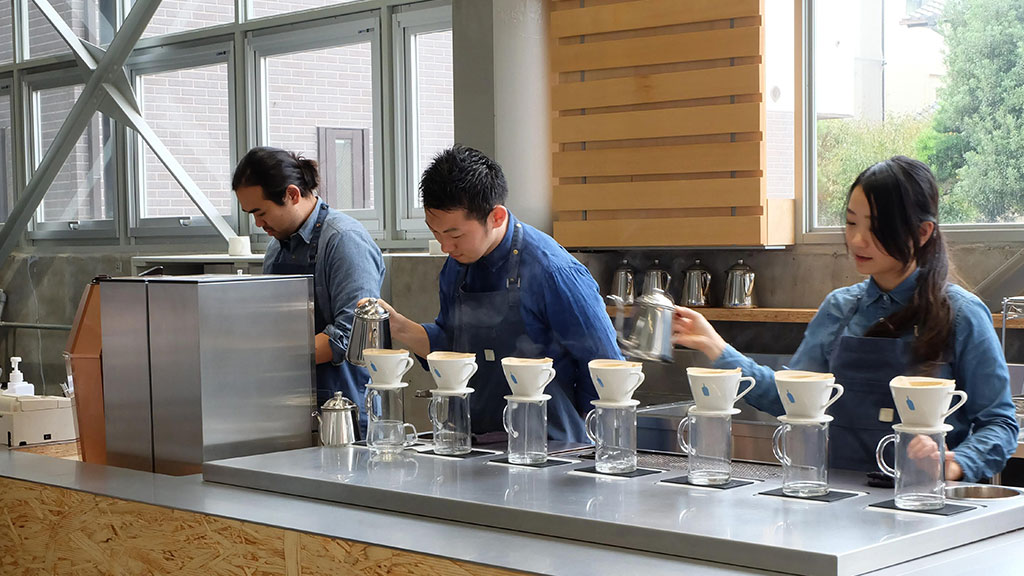
Alongside these signature drinks, manual brewing methods such as V60, Chemex and Aeropress are increasingly visible in the region’s specialty cafés. In Saudi Arabia and the UAE, customers now recognize these brews as symbols of craftsmanship and transparency.
At the same time, the Gulf’s climate has made cold coffee an essential part of any menu. Iced Spanish Lattes, Cold Brews and Espresso Tonics dominate summer offerings — and given that “summer” lasts most of the year, cold coffee is no longer a trend but a permanent business pillar.
The future will likely see the expansion of nitro coffee, RTD cold brew bottles, and functional drinks — areas where coffee professionals with technical training can gain a real competitive edge.
Our Partner Schools in the Gulf
Espresso Academy has been part of this evolution since the beginning, working directly in the region with official partner schools in:
- Riyadh (Saudi Arabia) – the heart of barista training for local professionals;
- Dubai (UAE) – our hub for international barista and latte art courses;
- Sanaa (Yemen) – where Italian know-how meets the birthplace of Arabica coffee.
Through these collaborations, hundreds of students each year receive SCA and IBC-recognized training without leaving their country — and many continue their education at our main campus in Florence, Italy, to specialize further in espresso, roasting, sensory and coffee management.
Become a Partner School in the Gulf
The Gulf’s coffee culture is expanding rapidly — and Espresso Academy is looking for new partners and schools to join our international network.
Becoming an Espresso Academy Partner means:
- Teaching with our full syllabus of barista, brewing, roasting and management courses;
- Training and certifying instructors under Italian supervision;
- Joining a community of more than 35 schools worldwide, united by a shared mission: to elevate coffee education globally.
We welcome applications from Oman, Bahrain, Kuwait, Qatar and other Gulf countries ready to grow their coffee education ecosystem.
The Italian Touch: Excellence Through Education
Italian coffee culture is built on balance, method and passion.
At Espresso Academy, we bring that approach to every course — from espresso calibration and latte art to roasting profiles and water maintenance.
Our goal is not only to train baristas but to form coffee professionals — people who understand the craft from seed to cup, and who can lead the next generation of cafés, roasteries and coffee businesses in the Gulf.
A Bridge Between Florence and the Gulf
From Riyadh to Dubai, from Doha to Sanaa, the coffee movement in the Gulf is vibrant, ambitious and full of potential. Espresso Academy is proud to stand beside this community — as a trainer, a partner and a friend.
We believe that combining Italian expertise with Middle Eastern creativity is the key to building the future of global coffee culture.
Frequently Asked Questions (FAQ)
1. How can I study coffee in Italy as a student from Saudi Arabia or the UAE?
Espresso Academy in Florence welcomes international students from all Gulf countries.
Our courses are taught entirely in English, and our team provides full assistance for visa letters, accommodation and travel planning. Many Gulf students combine their training in Italy with a few days of coffee tourism in Florence or Milan.
2. Are Espresso Academy courses recognized internationally?
Yes. Espresso Academy offers SCA (Specialty Coffee Association) and IBC (Italian Barista Certificate) courses, both recognized worldwide. Certificates are valid across the global coffee industry and are often requested by employers and competition judges.
3. Can I study in my own country with Espresso Academy?
Absolutely. Espresso Academy has official partner schools in Riyadh (Saudi Arabia), Dubai (UAE), Doha (Qatar), and Sanaa (Yemen).
These centers follow the same teaching program as our Italian campus, and many students later travel to Florence to continue with advanced or SCA-level courses.
4 What are the most popular coffee drinks in the Gulf right now?
The Spanish Latte, Pistachio Latte, and Saffron Latte are currently the top trending drinks in Saudi Arabia, UAE, Qatar and Kuwait.
They blend espresso-based Italian techniques with local Middle Eastern flavors — creamy, aromatic and beautifully presented. Manual brews (like V60 and Chemex) and cold coffees (like Cold Brew and Nitro) are also rapidly gaining popularity.
5. Can my coffee business become an Espresso Academy partner?
Yes. Espresso Academy is expanding in the Gulf and welcomes applications from coffee schools, roasteries, and training centers in Oman, Bahrain, Kuwait, and beyond.
Partners receive access to our complete training system, instructor support, and international visibility as part of the Espresso Academy Network, active in over 25 countries worldwide.
6. What kind of coffee courses can I take?
Espresso Academy offers a full range of professional courses:
- Barista & Latte Art
- Brewing & Filter Coffee
- Roasting & Green Coffee
- Coffee Shop Management
- Technician & Maintenance Training
All courses are available in English, with practical sessions on Italian espresso machines and specialty brewing equipment.
7. Why is studying coffee in Italy important for Gulf baristas and entrepreneurs?
Italy is the birthplace of espresso and one of the most influential coffee cultures in the world.
Learning in Florence gives Gulf professionals direct access to Italian roasting philosophy, espresso science, and operational excellence, which are key for building quality-driven cafés and roasteries back home.
Ready to Start Your Journey?
Train with Espresso Academy in Florence, Italy, or in our Gulf partner schools in Riyadh, Dubai, Doha, and Sanaa — and be part of the new wave of coffee excellence sweeping across the Middle East