


Espresso Machine Maintenance: Essential Checklist for Baristas and Home Baristas
10 March 2026
Why your espresso is inconsistent (and how professional baristas fix it)
1 May 2026Coffee Drinks Explained: History, Differences and Espresso-Based Beverages Guide

Understanding Coffee Beyond the Menu
Coffee menus today can feel complex, even for frequent coffee drinkers. Terms like cappuccino, latte, flat white or americano are often used interchangeably, but each of these drinks has a precise identity, rooted in technique, culture and history.
Understanding coffee drinks is not only useful for ordering correctly. It is the first step toward understanding extraction, balance and the role of milk and water in shaping flavor. For baristas and coffee professionals, this knowledge is essential to deliver consistency and quality in every cup.
Espresso: The Foundation of Modern Coffee Culture
Most coffee drinks served worldwide are built on espresso, an Italian invention that revolutionized coffee preparation in the early 20th century.
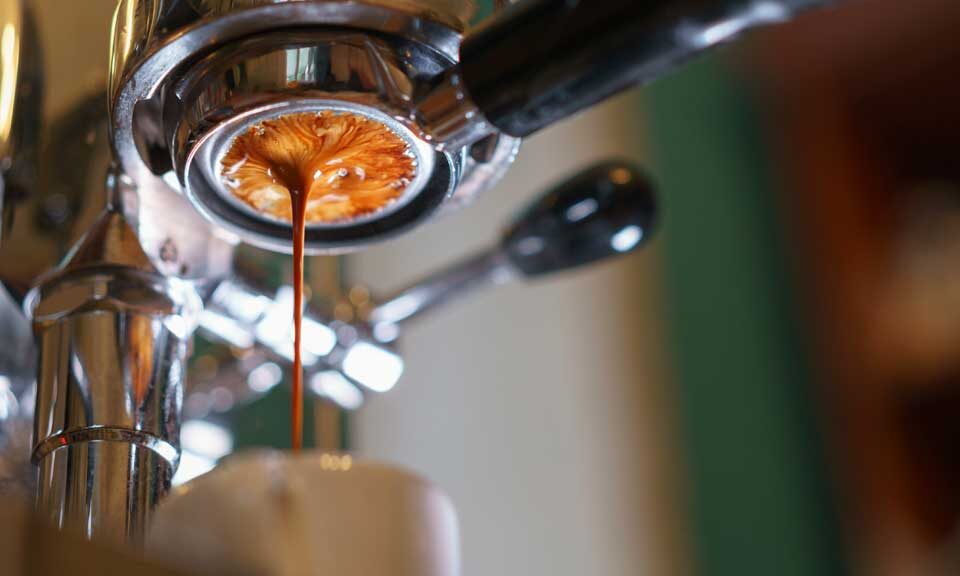
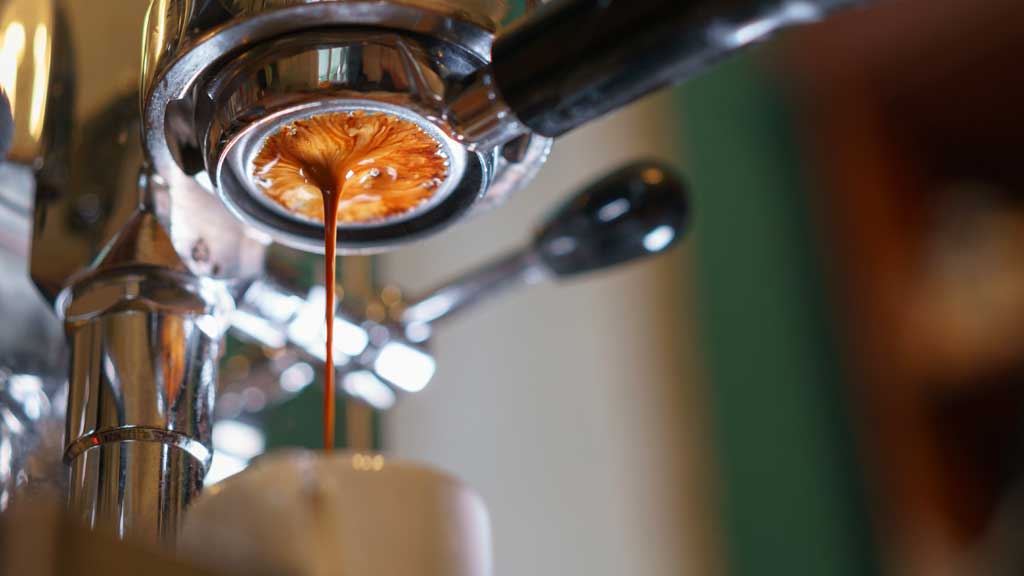
Espresso is extracted under pressure, producing a concentrated beverage characterized by crema, structure and intensity. Its development is closely linked to the evolution of Italian coffee machines and the culture of quick, high-quality service at the bar.
From this foundation, an entire family of beverages was created, each defined by specific ratios and preparation techniques.
Milk-Based Coffee Drinks: Technique and Tradition
Milk-based drinks are among the most popular globally, but also the most misunderstood. Their differences are not arbitrary: they depend on proportions, milk texture and historical evolution.

Cappuccino
Cappuccino is one of the most iconic Italian coffee drinks, traditionally consumed in the morning. Its name is often linked to the color of the robes worn by Capuchin monks, resembling the tone of the beverage.
A classic cappuccino is composed of:
- espresso
- steamed milk
- a structured layer of microfoam
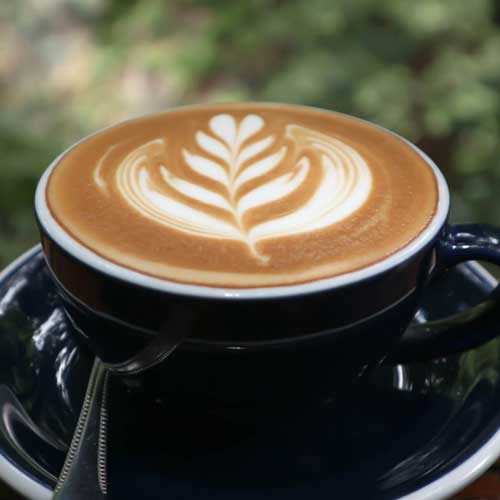
The key element is balance. The milk must be textured to create a creamy, velvety foam that integrates with the espresso without separating.
Today, cappuccino is also the canvas for latte art, an essential skill in modern coffee service.

Latte (Caffè Latte)
The latte has its roots in Italian home consumption rather than bar culture. Traditionally, it was a breakfast drink made with coffee and hot milk.
In modern coffee shops, a latte consists of:
- espresso
- a larger quantity of steamed milk
- a thin layer of microfoam on the surface
Contrary to common misconceptions, a latte is not “without foam.” It has a light, silky microfoam, but much thinner than cappuccino.
The result is a softer, rounder beverage where milk plays a dominant role, while still allowing the espresso to contribute aromatic complexity.
Flat White
The flat white originated in Australia and New Zealand in the 1980s, during the development of specialty coffee culture. It was created as an alternative to overly foamy cappuccinos, focusing on texture and coffee intensity.
A flat white is typically prepared with:
- a double shot of espresso
- finely textured milk with minimal visible foam
The defining characteristic is the integration between coffee and milk. The texture is smooth and uniform, enhancing the perception of the espresso while maintaining a creamy mouthfeel.
The use of a double shot is a key element, giving the drink a stronger and more defined coffee profile compared to a latte.
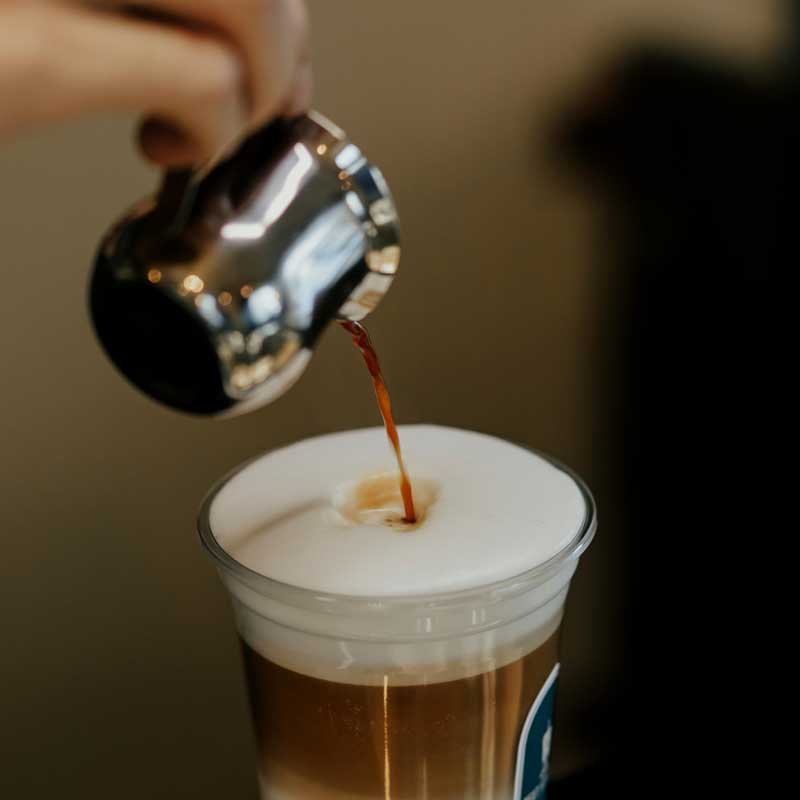
Latte Macchiato
Latte macchiato represents a different approach, more common in continental Europe. The name means “stained milk,” referring to the visual layering of the drink.
Preparation involves:
- hot milk first
- espresso added afterward
This creates distinct layers and results in a lighter coffee flavor, often preferred by those seeking a more delicate beverage.
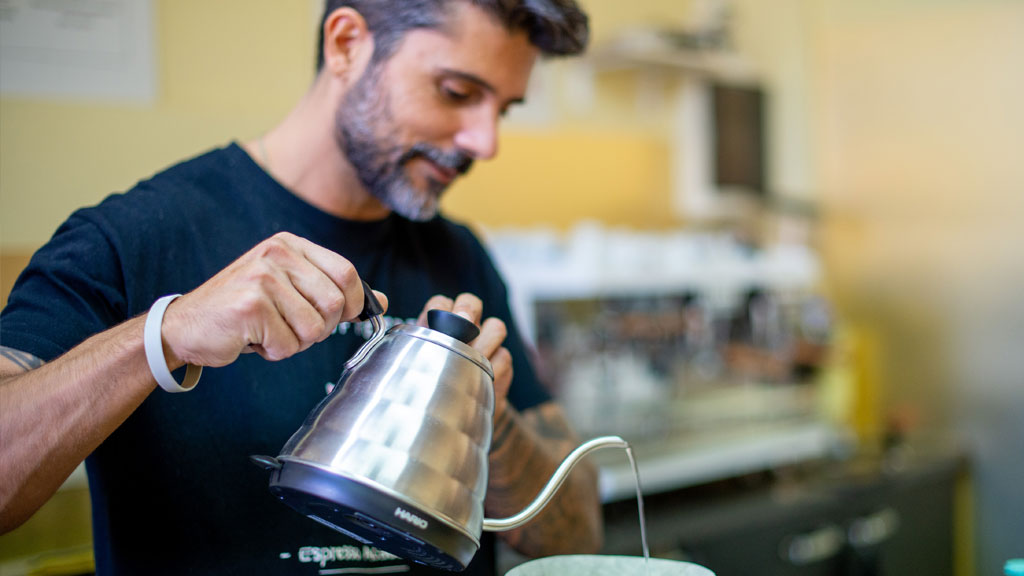
Black Coffee Drinks: Espresso and Water
Not all coffee drinks involve milk. Some are designed to extend or reinterpret espresso using water.
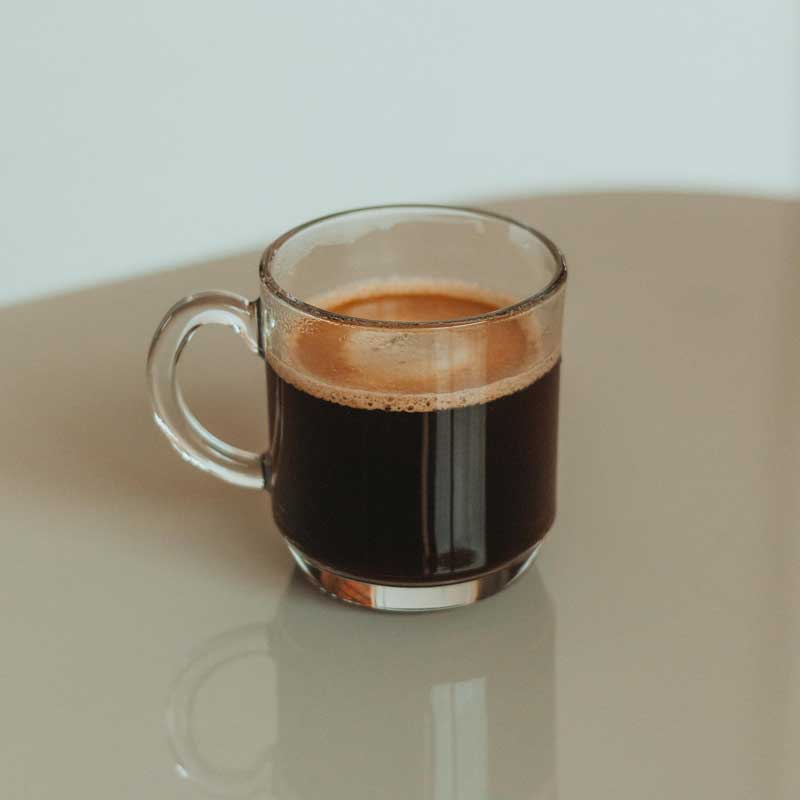
Americano
The americano has historical roots linked to World War II, when American soldiers in Italy diluted espresso with hot water to replicate the filter coffee they were used to.
It is prepared by adding hot water to espresso, resulting in:
- a longer drink
- lower concentration
- a more approachable intensity
It maintains some espresso characteristics while offering a drinking experience closer to filter coffee.

Long Black
The long black is similar in composition but different in preparation:
- hot water is poured first
- espresso is added on top
This method preserves more crema and aromatic compounds, resulting in a slightly more structured and intense cup compared to an americano.
Filter Coffee
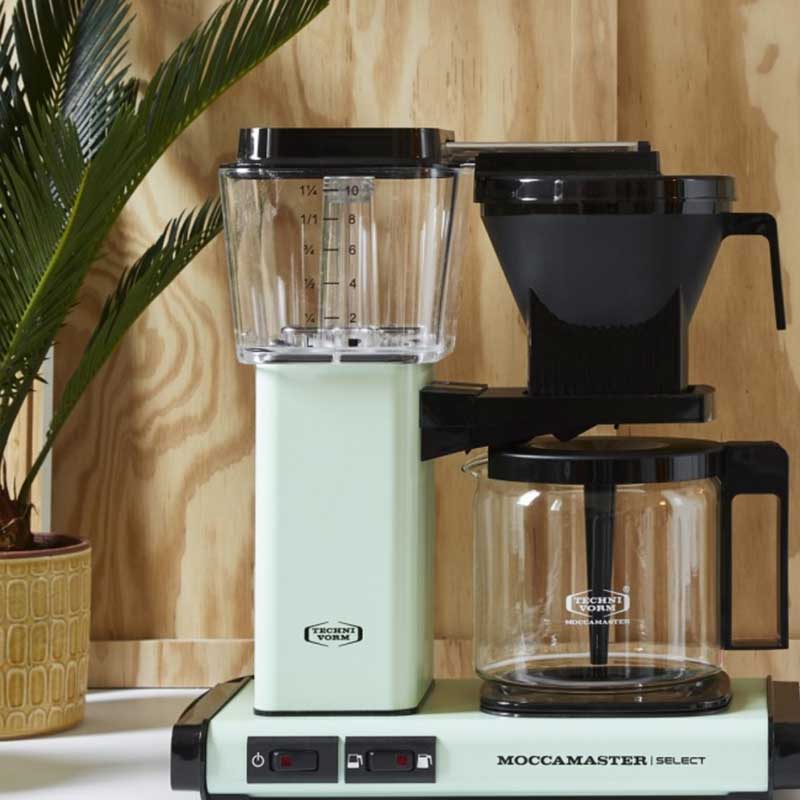
Filter coffee predates espresso and remains central in specialty coffee culture.
Prepared through methods such as V60, batch brew or Chemex, it emphasizes:
- clarity of flavor
- aromatic complexity
- origin characteristics
Understanding the difference between espresso and filter coffee is essential for anyone approaching coffee at a deeper level.
Modern Coffee Culture: New Drinks and Trends
As coffee culture evolves, new beverages emerge, often blending tradition and innovation.
Cortado
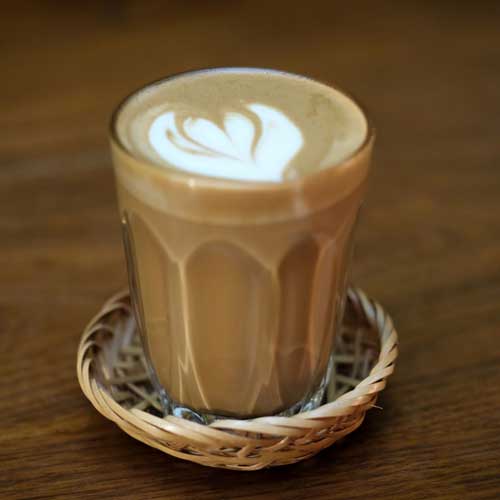
Originating from Spain, the cortado is designed to “cut” the intensity of espresso with a small amount of milk.
It is typically served in a small glass and offers a balanced, compact profile where neither coffee nor milk dominates.

Cold Brew
Cold brew has gained global popularity due to its smooth and accessible profile.
Prepared with cold water over long extraction times, it produces:
- low perceived acidity
- round body
- natural sweetness
It is widely used in both classic and creative beverage menus.
Espresso Tonic

A more recent addition, espresso tonic reflects the experimental side of specialty coffee.
The combination of espresso, tonic water and ice creates a layered sensory experience, combining bitterness, sweetness and effervescence.
From Knowledge to Practice: Learning Coffee Professionally
Understanding coffee drinks is only the first step.
For baristas and professionals, the real challenge lies in execution: controlling extraction, managing milk texture, and maintaining consistency during service.
This is exactly the focus of the training programs at Espresso Academy.
- The Barista Course provides a complete foundation on espresso extraction, milk techniques and workflow management:
- The Latte Art Course develops precision and control in milk texturing and pouring techniques:
- The Brewing Course explores filter coffee methods and extraction variables in depth:
These programs are designed to transform theoretical knowledge into practical skills applicable in real coffee service environments.
Coffee drinks may seem complex, but they are all based on a clear structure built around espresso, milk and water. Once these relationships are understood, every coffee menu becomes easier to read and interpret.
From traditional Italian cappuccino to modern specialty creations, each beverage reflects a combination of history, technique and cultural evolution.
Learning to understand these drinks is not only useful for making better choices, but also the foundation for anyone who wants to approach coffee with a professional mindset.