


Why your espresso is inconsistent (and how professional baristas fix it)
1 May 2026
Why Your Espresso Is Bitter (And How to Balance It Like a Professional Barista)
22 May 2026Why Your Espresso Is Sour: Real Causes and Professional Fixes

acidità espresso
Sourness Is Not Always a Defect
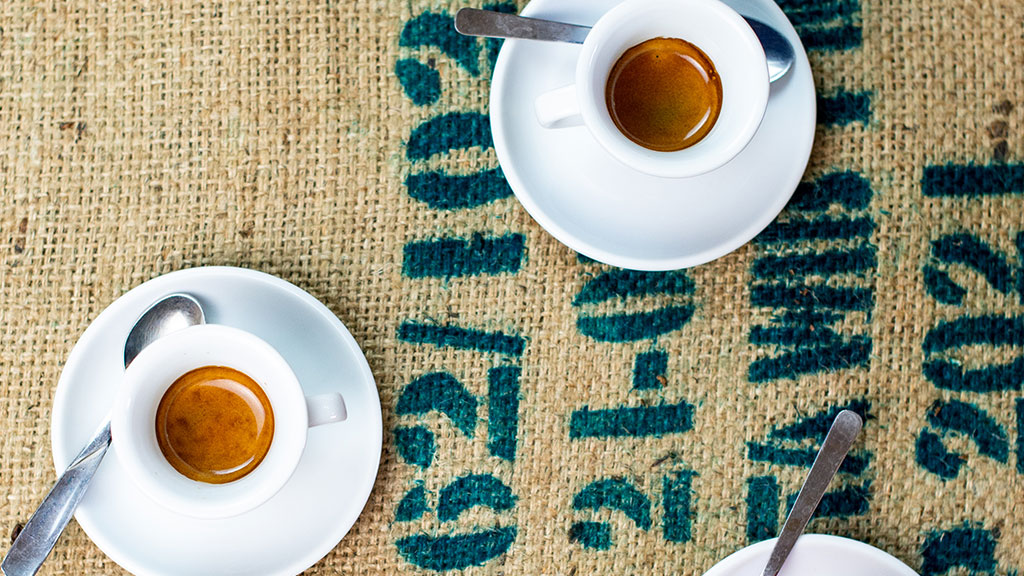
Sour espresso is one of the most common- and most misunderstood- problems in coffee preparation.
In many cases, sourness is immediately associated with a mistake. The instinct is to “fix” it by extracting longer or grinding finer without understanding what is actually happening.
But acidity is a natural and essential component of coffee. A well – extracted espresso can – and should—have brightness. The problem is not acidity itself, but imbalance. The real issue arises when acids dominate because the extraction process has not progressed far enough to develop sweetness and structure.
Understanding why this happens is the first step toward correcting it properly.
The Chemistry Behind Sour Espresso
Espresso extraction follows a sequence. The first compounds to dissolve are organic acids. These contribute brightness, freshness, and liveliness to the cup. As extraction continues, sugars and complex compounds dissolve, creating sweetness and balance. Finally, heavier compounds contribute bitterness and body.
When an espresso tastes sour, it usually means the extraction stopped too early in this sequence. This is what is technically defined as under-extraction.
However, under-extraction is not a single cause. It is a condition that can be triggered by different variables interacting in the system.
Sourness is usually a sign that extraction has not developed enough sweetness and structure. But if your espresso changes from balanced to sour during the day, the problem may not be only the recipe: it may be part of a wider consistency issue. For this reason, we recommend reading our complete guide on why espresso becomes inconsistent during service.

The Most Common Cause: Insufficient Extraction
The most frequent reason for sour espresso is that water passes through the coffee too quickly.
When contact time is too short, the extraction does not progress beyond the acidic phase. The result is a cup that feels sharp, thin, and incomplete.
In practical terms, this often corresponds to a shot that runs too fast or produces a lower yield than intended. The correction is not simply to “slow it down,” but to increase extraction efficiency. The most effective adjustment is usually a slightly finer grind, which increases resistance and allows water more time to interact with the coffee.
Sourness and bitterness are often treated as opposite problems, but in real extraction they can be connected. An uneven puck can produce sour notes and bitter notes in the same espresso because water does not extract the whole coffee bed evenly. To understand the opposite side of the problem, read our guide on why espresso tastes bitter and how to balance it.
Grind Size and Flow Dynamics
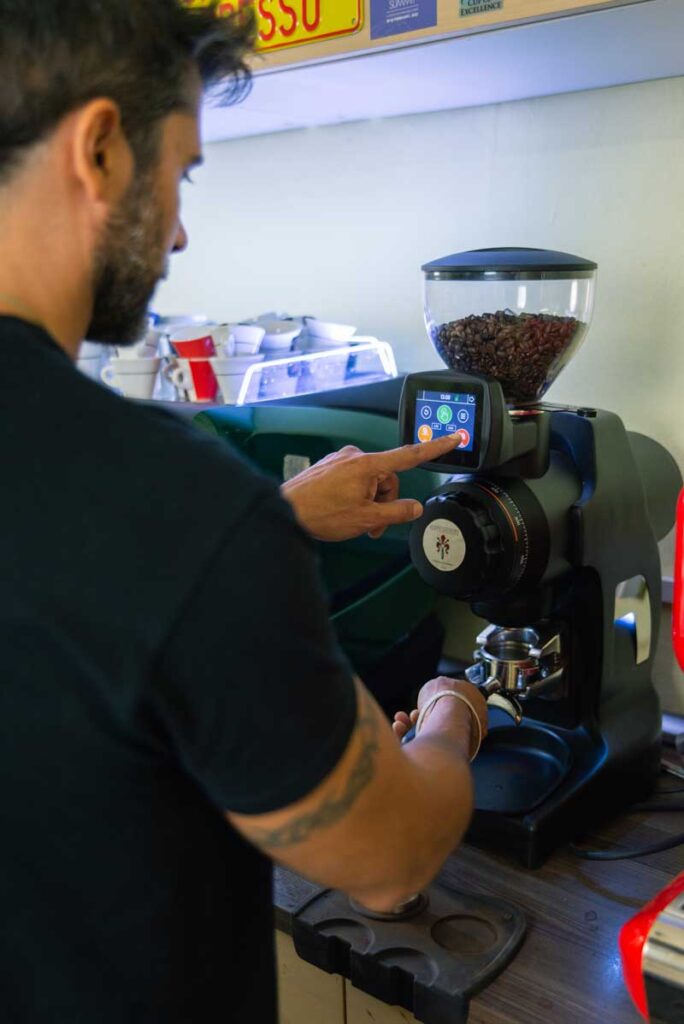
Grind size plays a central role in extraction balance. A grind that is too coarse creates low resistance. Water flows rapidly through the puck, extracting only the most soluble compounds—primarily acids. By adjusting grind size finer, the coffee bed becomes more resistant. Flow slows down, increasing contact time and allowing the extraction of sugars that balance acidity.
However, this adjustment must be precise. Grinding too fine can lead to over-extraction or channeling, creating new imbalances.
Brew Ratio: When Yield Is Too Low
Another common cause of sour espresso is an insufficient brew ratio. If the yield is too low, the extraction is effectively “cut short.” Even if time appears acceptable, the process may not have reached the stage where sweetness develops.
Increasing the yield slightly – allowing more liquid to pass through the coffee – can significantly improve balance. This extends extraction and integrates acidity with sweetness. This approach is particularly useful with dense, high-altitude coffees that require more energy to extract fully.
Coffee Freshness and Degassing
Freshly roasted coffee behaves differently in extraction.
High levels of carbon dioxide create resistance and disrupt water flow. This can lead to uneven extraction, where parts of the puck remain under-extracted. In very fresh coffee, sourness can therefore appear even when parameters seem correct.
As the coffee degasses over time, extraction becomes more stable. In the meantime, slight adjustments to grind size and yield can help compensate.
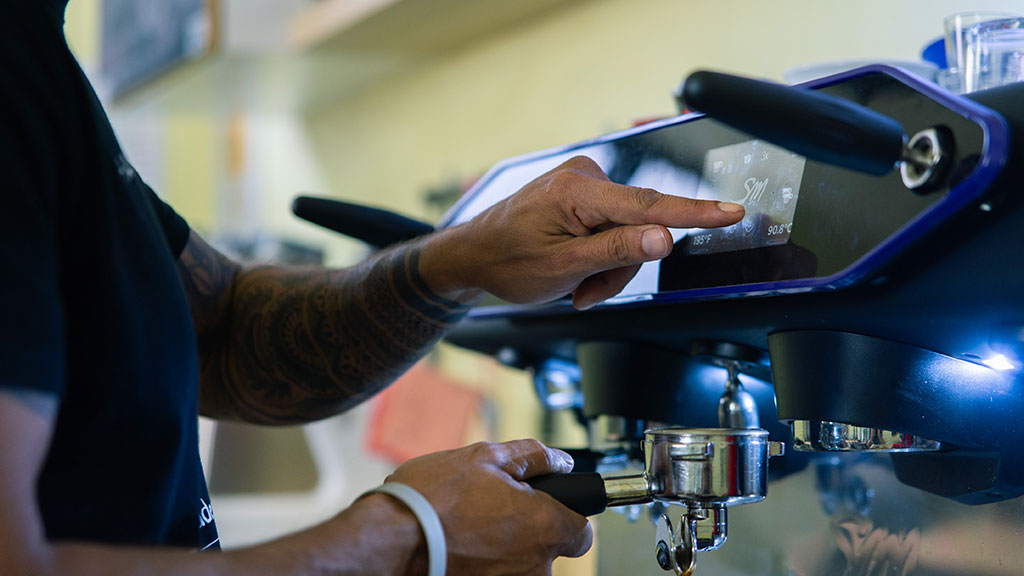
Temperature: Not Enough Energy
Temperature directly affects extraction efficiency. If water temperature is too low, it lacks the energy required to dissolve sugars and heavier compounds. The extraction remains incomplete, and acidity dominates.
Raising the temperature slightly increases extraction potential and helps develop balance. This is especially relevant for lighter roasts, which are less soluble and require more energy to extract properly.
Channeling: Hidden Under-Extraction
Channeling is often associated with over-extraction, but it can also cause sourness. When water finds preferential paths through the coffee bed, some areas are over-extracted while others are barely extracted. The resulting cup can taste both bitter and sour, but often presents as sharp and unbalanced.
The solution lies in improving puck preparation: consistent distribution, proper leveling, and even tamping.
When Sourness Is Actually Desirable
Not all sourness is a problem. In specialty coffee, acidity is a defining characteristic. Bright, citrus-like notes are often a sign of high-quality beans and proper roasting.
The difference lies in perception. Balanced acidity is integrated with sweetness and body. Problematic sourness feels aggressive, thin, and disconnected from the rest of the cup.
Learning to distinguish between the two is a key skill in professional coffee training. This type of sensory calibration is central in programs offered by Espresso Academy, where taste is used as the primary diagnostic tool.
A Professional Approach to Fixing Sour Espresso
Correcting sour espresso is not about applying random adjustments, but about understanding which variable is limiting extraction. A professional workflow begins with observation. The barista evaluates flow speed, yield, and taste, then makes a targeted adjustment.
In most cases, the first intervention is grind size. If the shot still lacks balance, yield and temperature are considered. Each change is controlled and isolated, allowing a clear understanding of cause and effect. This method transforms troubleshooting into a structured and repeatable process
.If this problem appears only occasionally, focus on grind size, contact time and puck preparation. If it appears repeatedly during the day, move back to the broader workflow and read our guide to professional espresso consistency.
Sourness is a signal, not just a problem
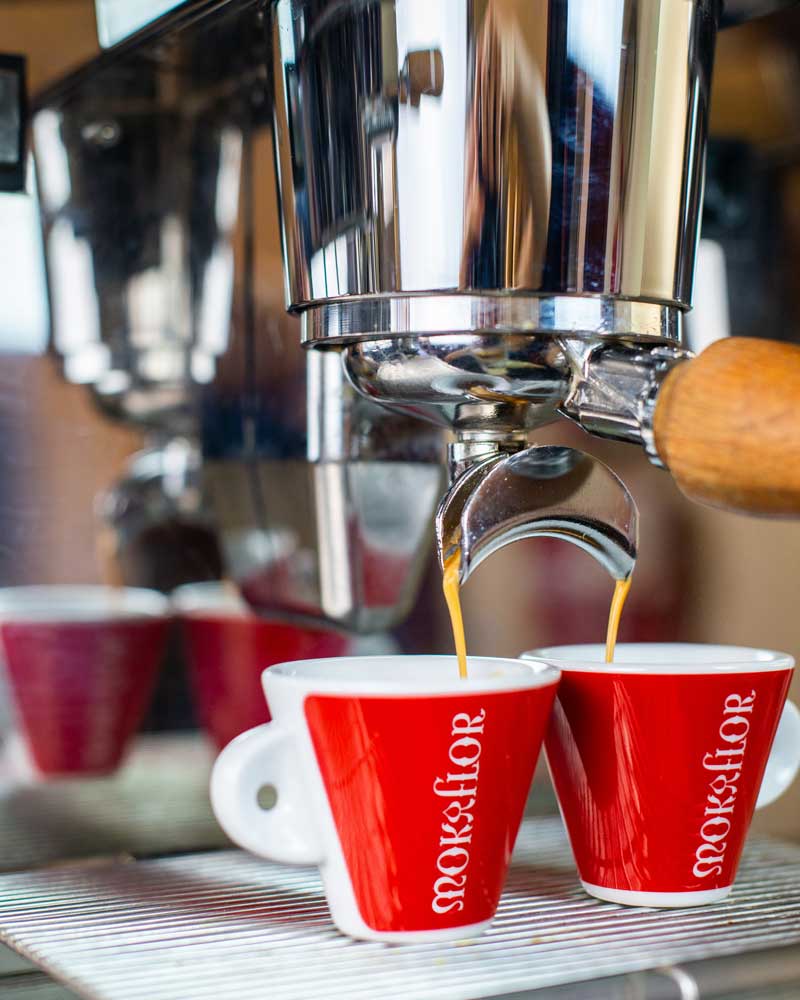
Sour espresso is not simply a mistake to eliminate. It is a signal that the extraction has not reached balance. By understanding the relationship between grind size, yield, temperature, and coffee characteristics, it becomes possible to interpret that signal and respond precisely.
At that point, adjusting espresso is no longer trial and error. It becomes a controlled and predictable process.
During the Advanced Barista courses, significant attention is dedicated to these aspects: extraction analysis, sensory evaluation of the cup, and management of operational variables. The goal is to develop a technical and conscious approach, capable of interpreting the behavior of the coffee and adjusting the espresso setup according to the desired result.