


Why Your Espresso Is Sour: Real Causes and Professional Fixes
16 May 2026Why Your Espresso Is Bitter (And How to Balance It Like a Professional Barista)
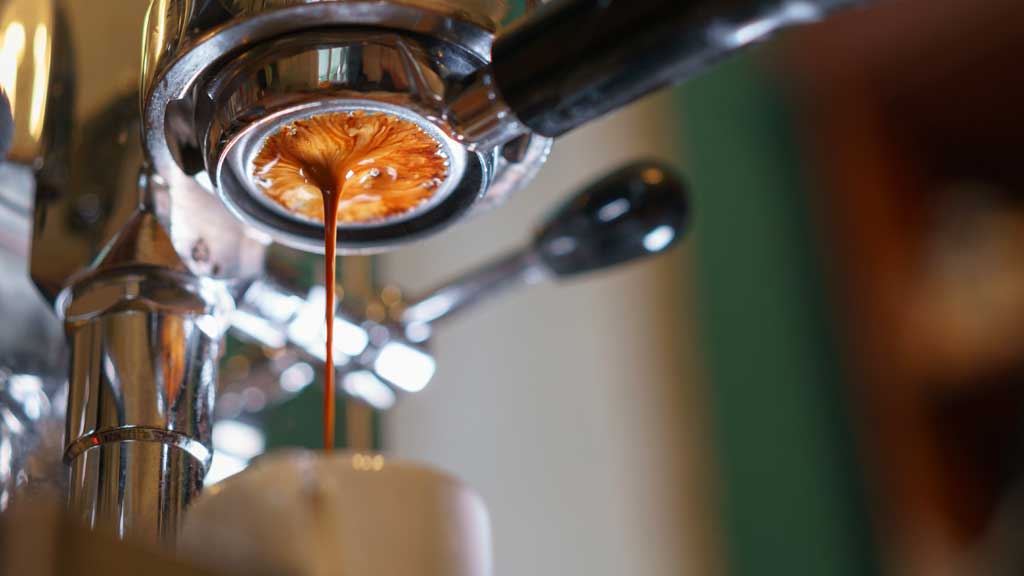
Bitterness is not always a defect
This article is part of our professional espresso troubleshooting series. If your espresso changes from one shot to another, start with our guide to espresso consistency. If the problem is mainly sharpness and acidity, read our guide to sour espresso.
A bitter espresso is not always caused by a single mistake. Sometimes it is the result of a recipe that has drifted during service, a grinder that has warmed up, or a puck that is no longer behaving consistently. For a wider view, read our guide on why espresso shots become inconsistent.
Bitterness is a natural component of espresso. It contributes to structure, depth, and persistence in the cup. It becomes a problem when it dominates.
An overly bitter espresso feels heavy, drying, and often astringent, masking both acidity and sweetness. In this case, the issue is not intensity, but imbalance. To correct it effectively, you need to understand what is happening during extraction.
How Bitterness Develops During Extraction
Espresso extraction is a progressive process. The first compounds to dissolve are acids, followed by sugars and aromatic compounds. In the final phase, heavier compounds are extracted—many of which contribute to bitterness.
When extraction continues beyond the optimal point, these compounds become dominant. This condition is known as over-extraction.
When Extraction Runs Too Long
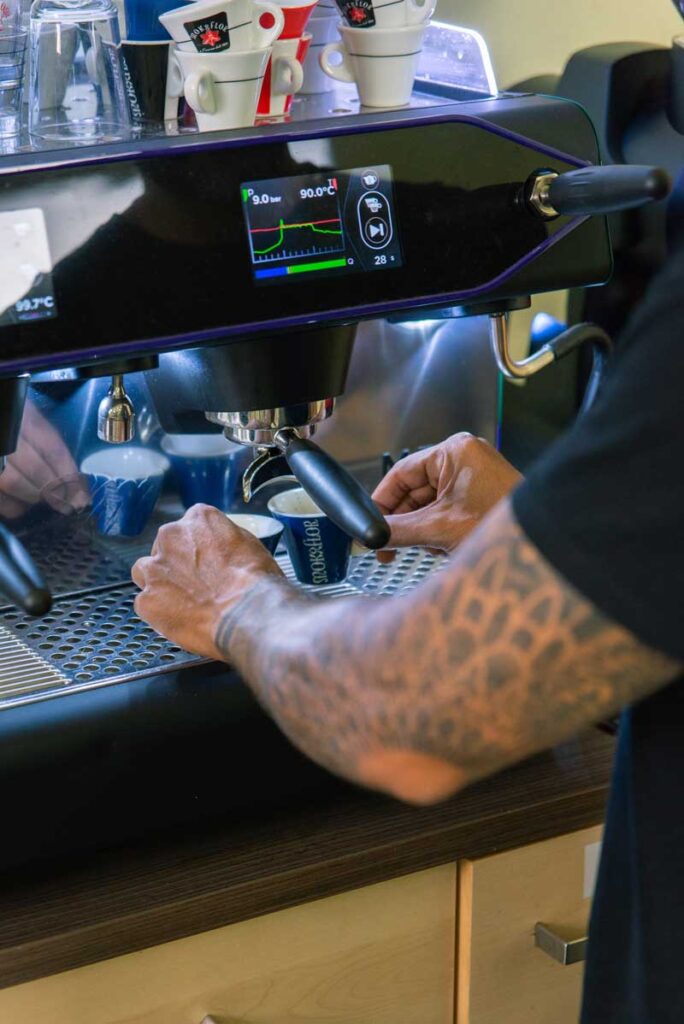
The most common cause of bitter espresso is excessive contact time between water and coffee. If water flows too slowly through the puck, it continues extracting beyond the balanced range. The result is a dense but unbalanced cup, dominated by bitter and drying notes.
This often happens when the grind is too fine or when puck resistance is too high. The most effective correction is to slightly increase grind size, allowing water to flow more easily and reducing extraction time.
The Role of Grind Size
Grind size is the primary control variable in espresso extraction. A grind that is too fine increases resistance, slows down the flow, and extends extraction. This promotes the dissolution of heavier, more bitter compounds.
By adjusting to a slightly coarser grind, you reduce resistance, speed up the flow, and limit the extraction of these compounds. Adjustments should always be small and controlled. Overcorrecting can lead to the opposite problem—under-extraction and excessive acidity.
Brew Ratio: When You Extract Too Much
A brew ratio that is too high can also lead to bitterness. Allowing too much liquid to pass through the coffee extends extraction beyond the optimal range. This increases the presence of bitter compounds and reduces clarity in the cup.
Reducing the yield slightly helps maintain concentration and balance.
Temperature: Too Much Extraction Energy
Water temperature directly affects extraction efficiency.
Higher temperatures increase the ability of water to dissolve compounds. While this can be beneficial, it can also push extraction too far, especially with more soluble coffees.
Lowering the temperature slightly can help reduce the extraction of heavier compounds and restore balance.
This adjustment is particularly useful with medium-dark to dark roasts.
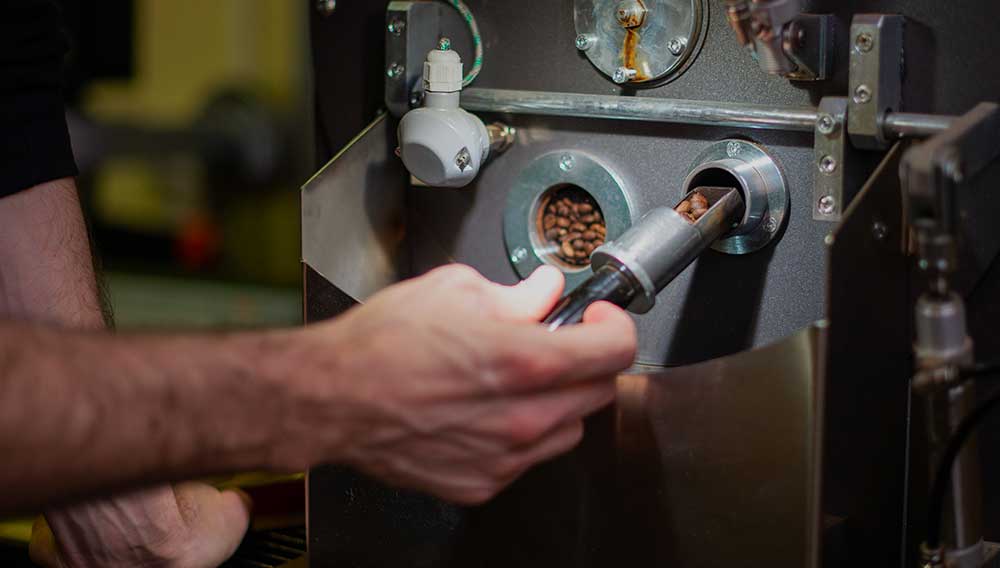
The Influence of Roast Level
Not all coffees behave the same way during extraction. Darker roasts are generally more soluble, meaning they release their compounds more easily. This makes them more sensitive to over-extraction.
Even small deviations in parameters can quickly lead to excessive bitterness.
A more controlled approach -slightly coarser grind, tighter brew ratio, and careful temperature management -helps maintain balance.
Channeling and Uneven Bitterness
Bitterness is not always the result of uniform over-extraction.
If the puck is uneven, water can create preferential paths. Some areas become over-extracted while others remain under-extracted.
The resulting cup is inconsistent and often perceived as harsh or overly bitter.
Improving puck preparation—consistent distribution, proper leveling, and even tamping—is essential to avoid this issue.
This is why bitterness and sourness can sometimes appear together. One part of the puck may be over-extracted, while another remains under-extracted. If the cup is sharp, thin or acidic instead of dry and heavy, read our guide on how to fix sour espresso.
When Bitterness Is Desirable
A certain level of bitterness is essential in espresso.
It contributes to body, structure, and aftertaste, balancing acidity and sweetness. In a well-extracted shot, bitterness is present but integrated, never dominant.
The difference lies in balance.
Developing the ability to recognize this balance is a key part of professional training, such as the programs offered by Espresso Academy.
A Professional Approach to Fixing Bitter Espresso
Correcting bitterness requires a structured approach.
Start by observing the shot: flow rate, yield, and taste. The first adjustment is usually grind size. If necessary, refine yield and temperature.
Each change should be made independently, allowing you to clearly understand its effect.
This method turns troubleshooting into a controlled and repeatable process.
Bitter espresso is not just a mistake—it is a signal that extraction has gone too far or become unbalanced.By understanding how grind size, brew ratio, temperature, and roast level interact, you can correct it with precision.
Once bitterness is under control, the next step is not only to fix one shot, but to repeat balance during the whole service. This is the goal of professional espresso consistency.
At that point, espresso preparation becomes a controlled process, not trial and error.
During the Advanced Barista courses, significant attention is dedicated to these aspects: extraction analysis, sensory evaluation of the cup, and management of operational variables. The goal is to develop a technical and conscious approach, capable of interpreting the behavior of the coffee and adjusting the espresso setup according to the desired result.
.