

Dubai Chocolate Latte: The Ultimate Dubai Coffee Trend You Need to Try
3 March 2025
The Impact of Different Water Minerals on Coffee Extraction
20 February 2026Cold brew vs Iced Coffee

Cold Brew vs Iced Coffee: What’s the Difference and Which Should You Choose?
Cold coffee drinks are more popular than ever, especially when the weather heats up and coffee lovers seek refreshing alternatives to their usual hot brews. But when it comes to cold brew and iced coffee, many people wonder: aren’t they the same thing?
Short answer: absolutely not.
Although both are served chilled and often poured over ice, cold brew coffee and iced coffee are made using very different methods, resulting in distinct flavors, caffeine levels, and ideal uses.
In this article, we’ll explain the key differences between cold brew and iced coffee, help you decide which is best for your taste (or coffee shop menu), and share pro-level tips to brew each one perfectly.
What is Cold Brew Coffee?
Cold brew coffee isn’t just hot coffee served cold — it’s a unique brewing method that relies on time, not heat, to extract flavors from coffee grounds.
How It’s Made
- The process is simple but requires planning ahead. To make a cold brew concentrate, use a very concentrated ratio of coffee to water, typically 1:4 to 1:5 (for example, 200g of coffee to 1 liter of water). Steep the grounds in cold or room temperature water for 12 to 24 hours, then strain through a paper or metal filter.
- The result is a strong, bold concentrate that should be diluted before serving. You can mix 1 part concentrate with 2 to 3 parts of another liquid — usually cold water, milk, plant-based milk, or even soda for a sparkling version.
- This flexibility allows baristas to customize flavor intensity, reduce bitterness, and create unique menu offerings like cold brew lattes, sparkling cold brews, or signature mocktails.

Cold brew can also be stored in the fridge for up to a week, making it an excellent choice for batch preparation.
Flavor and Caffeine Profile
Since it’s brewed without heat, cold brew coffee has a sweet, mellow taste with notes of chocolate, caramel, and nuts. It’s also low in acidity, making it easier on the stomach.
Cold brew typically contains more caffeine than iced coffee, especially if consumed undiluted.
Why Choose Cold Brew?
Cold brew is ideal for:
- Hot weather or summer coffee menus
- Drinkers who are sensitive to acidity
- Make-ahead coffee for home or café use
- Signature drinks like cold brew lattes, sparkling cold brew, or mocktails
What is Iced Coffee?
What Is Iced Coffee?
Iced coffee is made by brewing hot coffee and then chilling it, either by letting it cool and pouring it over ice or by using the flash brew method for better flavor retention.

How to Make Iced Coffee (Flash Brew Method)
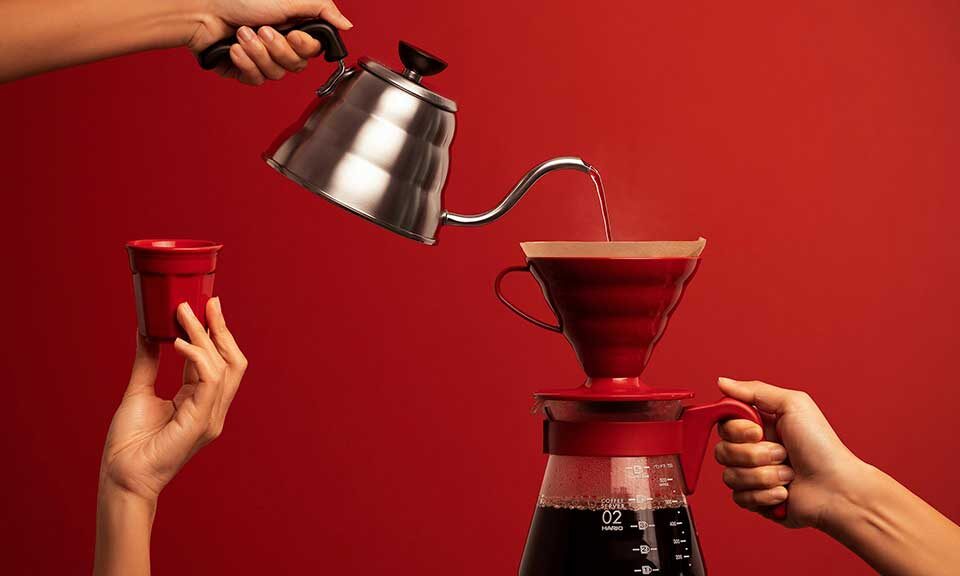
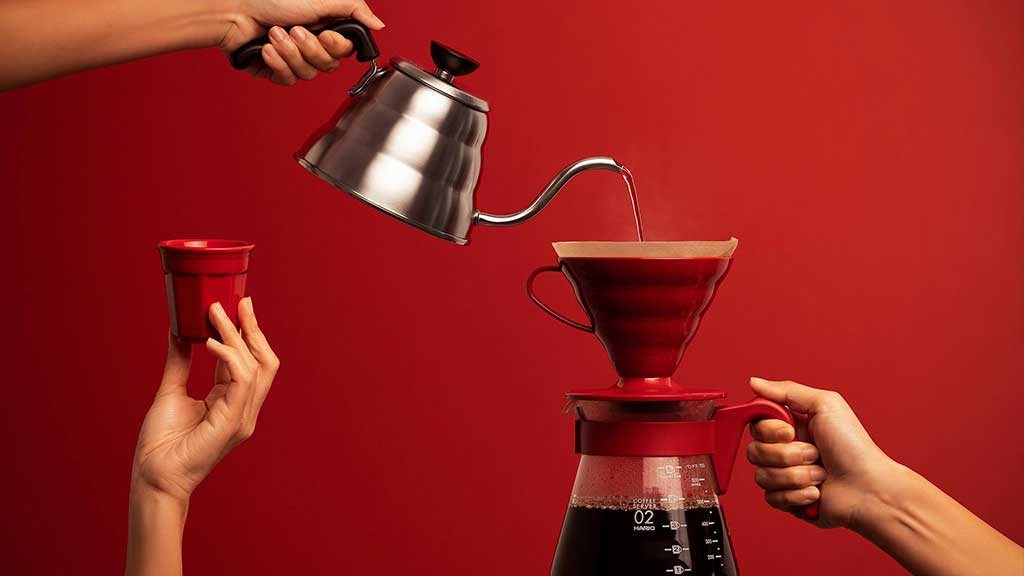
Flash brewing delivers the best flavor by brewing directly over ice, preserving aromatics and acidity.
Flash brew method steps:
- Use a total water weight as normal, but include ice.
(e.g., 200g hot water + 100g ice = 300g total) - Use a finer grind than usual to increase extraction.
- Pour in short pulses with turbulence, and stir gently to saturate all grounds.
- Use filtered water — even for the ice.
This results in a refreshing, crisp coffee that retains the bright notes of your favorite beans without dilution from melted ice.
Flavor and Caffeine Profile
Iced coffee is known for its bright acidity, aromatic complexity, and flavor notes of citrus, florals, or berries — depending on the beans used. It has less caffeine than cold brew and is best enjoyed immediately after brewing.
Why Choose Iced Coffee?
Iced coffee is perfect for:
- Lovers of acidic, vibrant coffee
- Quick prep on a hot day
- Traditionalists wanting a chilled version of hot coffee
Cold Brew vs Iced Coffee: The Key Differences
Let’s break it all down in a side-by-side table:
| Feature | Cold Brew | Iced Coffee |
| Brewing Time | 12–24 hours | A few minutes |
| Brewing Method | Steeped in cold water | Brewed hot, then cooled |
| Grind Size | Coarse | Medium to fine |
| Flavor Profile | Smooth, sweet, low acidity | Bright, acidic, aromatic |
| Caffeine | Higher (depending on dilution) | Moderate |
| Shelf Life | Up to 7 days refrigerated | Best consumed immediately |
| Equipment Needed | Jar or cold brew maker (Toddy?) + filters | Regular brewer (V60, Chemex,Kalita etc.) |
Cold Brew or Iced Coffee: Which Should You Choose?
There’s no winner — only different styles for different tastes.
Choose Cold Brew if:
- You want a smooth, mellow cup with low acidity.
- You need a concentrated base for coffee drinks.
- You want to prep ahead and store coffee.
- You love creative recipes like nitro or cocktails.

Choose Iced Coffee If:
- You crave bright acidity and aromatics.
- You want a quick coffee solution on hot days.
- You enjoy classic pour-over or filter-style brews.
Learn Both Methods at Espresso Academy
In the world of coffee, there’s room for both cold brew and iced coffee. Each has its place — and when done well, each can provide an exceptional coffee experience. As a barista or home brewer, understanding the differences will help you make better choices and serve your customers (or guests) exactly what they want.
At Espresso Academy, we teach both cold brew and iced coffee techniques in our brewing classes. Whether you’re learning the basics or mastering advanced recipes, our Home Barista Course and Coffee Brewing Course are designed to help you elevate your skills and understand the science — and art — behind every cup.