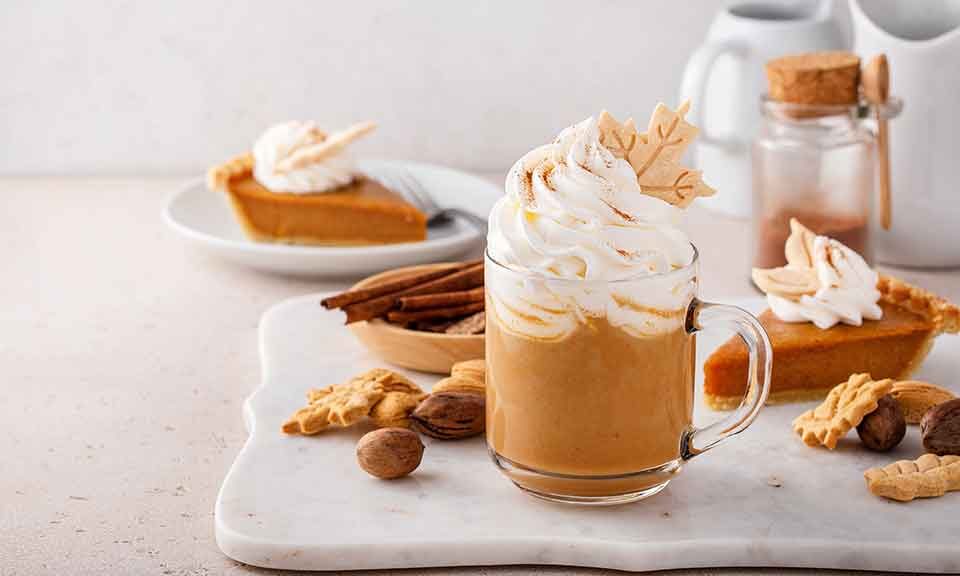



Pumpkin Spice Latte: The Quintessential Spiced Coffee of Autumn
16 October 2024
The three autumnal coffee drinks: Maple Latte, Gingerbread Latte and Pumpkin Spice Latte
26 September 2025Lavender Latte: Origins, Trends, and Recipes for Baristas
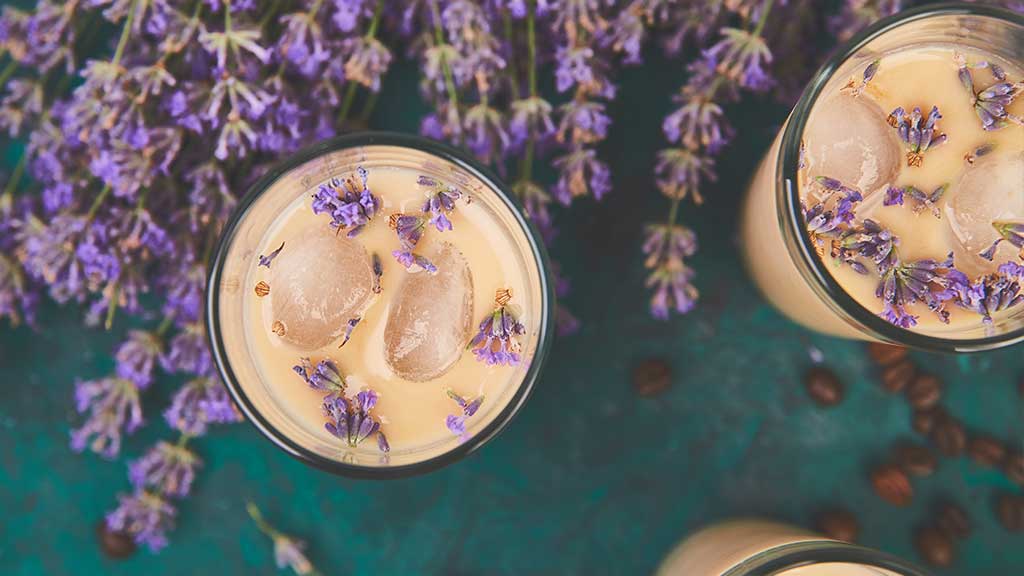
As spring arrives, the coffee bar transforms. Customers begin to seek fresher, more aromatic, and lighter offerings that embody the season in a cup. In this context, the Lavender Latte has become a true must-have: an elegant beverage with a distinctive aroma, now featured in numerous specialty coffee shops and major chains like Starbucks.
A Trend Born from Baristas, Now Viral
The Lavender Latte is one of the most successful expressions of the “botanical” trend that has influenced third-wave coffee culture: the use of flowers, herbs, and spices to enhance or contrast the notes of coffee.
While there isn’t an official “birthdate,” its development is linked to coffee shops on the American West Coast and the desire of baristas to offer beverages that are seasonal, functional, and photogenic, featuring ingredients perceived as natural or relaxing. And what could be more relaxing than lavender?
Lavender and Coffee: An Ancient Combination
The pairing of lavender and coffee might seem modern, but it has deep roots. As early as the Victorian era, lavender was used to flavor desserts, teas, and tonic beverages. Additionally, mixology manuals from the 1930s and 1940s include recipes combining coffee with floral infusions. Today, baristas are rediscovering these inspirations to craft contemporary, light, and refined drinks.
Crafting the Perfect Lavender Latte in a Coffee Shop
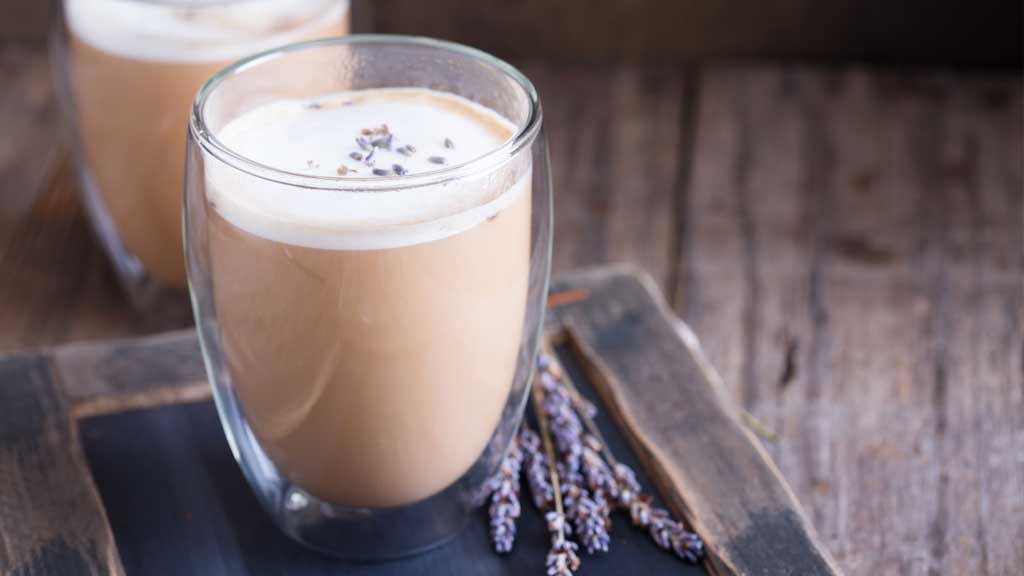
The basic recipe involves a simple balance between espresso, milk, and lavender-infused syrup. However, the real challenge lies in achieving harmony: too much lavender can evoke a soapy taste, while too little results in a negligible effect.
Standard Recipe for Coffee Shops:
- 1 shot of espresso (25–30 ml)
- 150 ml of steamed milk (dairy or plant-based alternatives like oat milk)
- 10–15 ml of lavender syrup
- Garnish: dried lavender flowers or flavored sugar (optional)
Method:
- Pour the lavender syrup into the cup.
- Extract the espresso directly over the syrup.
- Add the steamed milk and, if desired, garnish with a pinch of dried lavender.
Starbucks’ Lavender Velvet Latte
Starbucks has elevated the recipe by introducing the Lavender Velvet Latte, a drink composed of:
- Espresso
- Oat milk steamed with lavender syrup
- Velvety cream achieved without ice, by blending skim milk and lavender syrup until a soft, dense consistency is obtained.
This cream is then poured over the espresso, creating a layered, velvety beverage perfect even when served cold.
Serving Tip: The “velvet” can be offered as a topping on an iced espresso or cold brew, adding aromatic depth and a visual appeal that captivates at first glance.
Homemade Lavender Syrup: The Choice of Specialty Bars
Many baristas opt to craft their own lavender syrup to have full control over the flavors and sweetness:
Basic Syrup Recipe (yields approximately 400 ml):
- 250 ml water
- 250 g white sugar
- 2 tablespoons culinary-grade dried lavender flowers
Method:
- Bring water and sugar to a boil.
- Add the lavender flowers and let simmer for 3–5 minutes.
- Remove from heat and allow to infuse for 15 minutes.
- Strain and store in the refrigerator for up to 7 days.
Cold Version: Iced Lavender Latte
For a refreshing option, consider offering a simple and invigorating Iced Lavender Latte, perfect for customers seeking an alternative to the usual iced coffee.
Preparation:
- In a large glass, add ice, lavender syrup, cold milk, and finally, cold espresso or cold brew.
- Gently stir to maintain the layers.
Which Coffee Origins Pair Best with Lavender?
To serve a well-balanced Lavender Latte, the espresso base is key. The floral and balsamic notes of lavender shine brightest when paired with coffees that are clean, sweet, and low in acidity. Here are a few origins that work beautifully:
- Washed Ethiopian coffees (especially from Sidamo or Yirgacheffe): their floral and citrusy character naturally complements lavender.
- Colombian washed coffees (from Tolima or Huila): offering balanced sweetness and medium body, they support floral notes without clashing.
- Brazilian naturals (like those from Mogiana or Sul de Minas): for a rounder, nuttier profile, these coffees create a smooth and comforting base for lavender.
Avoid very dark roasts or overly spicy profiles—they tend to overpower the delicate essence of lavender and create a harsh contrast.
Why Include the Lavender Latte in Your Menu
The Lavender Latte is:
- A trendy offering that fits perfectly into seasonal or limited-time menus.
- An Instagram-worthy beverage that enhances the visibility of your establishment.
- An inclusive choice, easily adaptable to vegan or cold versions.
The Barista as a Creator of Experiences
In today’s coffee world, the barista is not just an executor but a creator of experiences. Recipes like the Lavender Latte demonstrate how technical knowledge, seasonal sensitivity, and storytelling can be combined to offer something unique. It’s not just a beverage: it’s an idea that smells like spring.
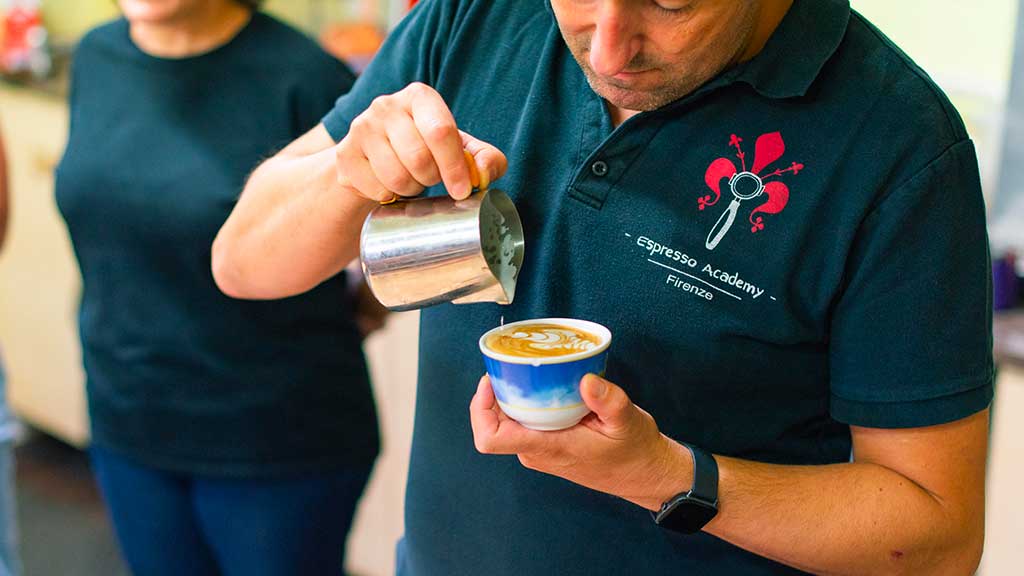
Looking to enrich your menu with creative, seasonal, and trendy beverages? At Espresso Academy, our courses in Latte Art and barista focus on techniques, recipes, and strategies to deliver memorable experiences in every cup.