


How Espresso Flavor Changes by Varying Espresso Flow at the Group Head
2 March 2026
Coffee Drinks Explained: History, Differences and Espresso-Based Beverages Guide
8 April 2026Espresso Machine Maintenance: Essential Checklist for Baristas and Home Baristas
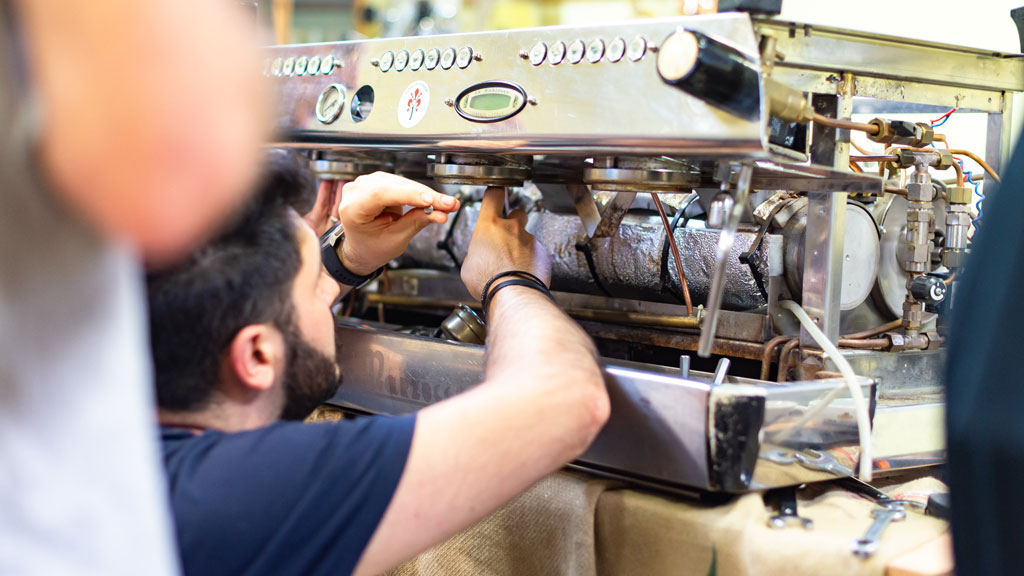
Espresso Machine Maintenance: Essential Checklist for Baristas and Home Baristas
Espresso machine maintenance is not just a simple cleaning routine, but a structured technical protocol that directly affects:
coffee quality in the cup
extraction stability
food safety
equipment lifespan
reduction of repair costs
Every espresso machine operates with high pressure, high temperatures, and chemically variable water. In this context, organic residues, scale, and mechanical wear are inevitable. The difference between an operator and an advanced professional lies in the ability to manage these factors preventively and systematically.
In this guide, you will find a complete checklist designed for both professional baristas and advanced home baristas, with in-depth insights into specific cleaning products, preventive maintenance, and Espresso Academy’s technical training pathway.
Why Maintenance Affects Espresso Quality
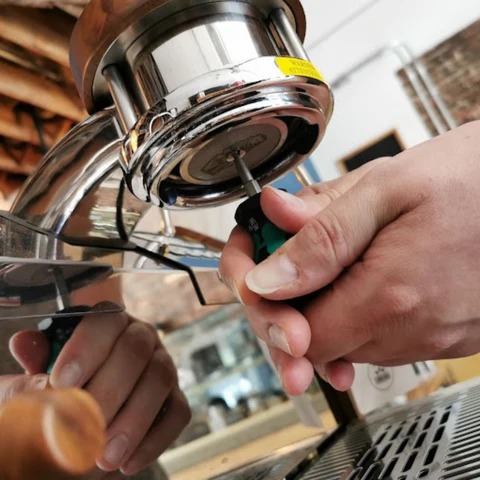
An espresso machine includes:
hydraulic system
thermal system
precision mechanical components
electrical and electronic circuits
Even small changes in water distribution or thermal stability can lead to:
variations in extraction times
loss of crema
rancid notes
instability in body
Coffee oils oxidize quickly, while scale builds up inside the internal circuits, compromising heating elements and probes.
Professional Cleaning: Specific Products
Espresso Academy uses and recommends the Puly Caff line, a company specialized in professional detergents for espresso machines.
Cleaning the Brew Groups – Technical Backflush
The reference product is Puly Caff, an alkaline detergent formulated to remove oxidized coffee oils.
Why It Is Essential
Coffee oils:
oxidize quickly
build up on shower screens and valves
alter the taste with rancid notes
compromise the quality of the crema
Correct Protocol
Insert the blind filter into the portafilter
Dose the detergent according to the instructions
Run cycles of 10 seconds ON / 10 seconds OFF
Repeat several times
Rinse without detergent
Recommended Frequency
Coffee shop: daily
Home barista: 1–2 times per week
Cleaning the Milk Circuit
For the steam wand, Puly Milk is used: a specific detergent designed to remove protein and fat residues from milk. Milk forms biofilms that cannot be removed with hot water alone.
Correct Procedure
Purge immediately after each use
Clean the outside with a damp cloth
Run a periodic cleaning cycle with detergent
Disassemble and check the steam tip
Poor hygiene of the milk circuit compromises:
microfoam quality
texture stability
food safety
Cleaning the Coffee Grinder
The coffee grinder is an integral part of the espresso system. The burrs accumulate coffee dust and oils that alter particle size distribution. For internal cleaning, Puly Grind is used.
Effects of a Dirty Grinder
irregular distribution
increased friction
variation in grind size
loss of aromatic brightness
Protocol
Empty the hopper
Insert the cleaning product
Grind
Purge with coffee
Frequency
Café: weekly
Home: monthly
Water Management: The Most Underestimated Factor
Water represents over 90% of the beverage.
The parameters to monitor are:
GH — total hardness
KH — carbonate hardness
TDS
pH
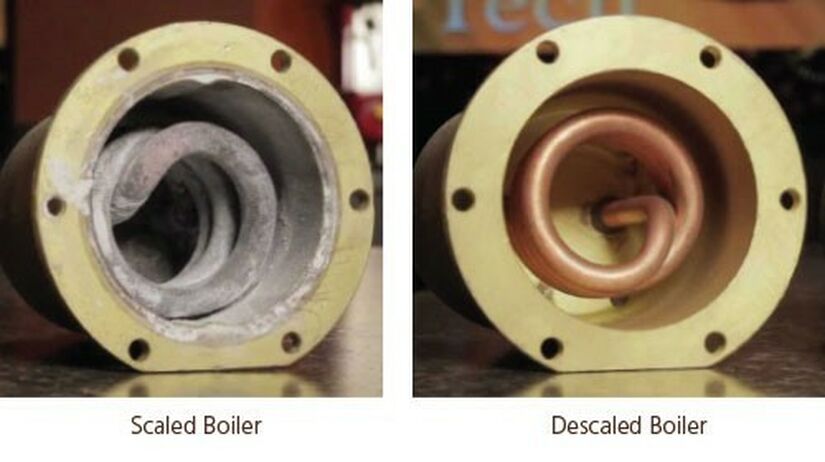
Scale causes:
blockage of the circuits
damage to heating elements
malfunction of level probes
thermal instability
Good Practices
Periodic water analysis
Use of water softening filters
Resin regeneration
Cartridge replacement according to the number of litres dispensed
For a deeper insight into water, read the post
Preventive Maintenance: Scheduled Replacement
Preventive maintenance means intervening before a fault occurs.
Group Gaskets
Signs of wear:
side leaks
excessive portafilter tightening
hardened rubber
Recommended replacement:
Café: every 6–12 months
Home barista: every 12–24 months
Shower Screens and Diffusers
Over time, they can:
become clogged
deform
alter water distribution
A worn shower screen can encourage channeling and reduce extraction quality.
Filters and Portafilters
Filter baskets can develop micro-scratches and lose precision over time. In a professional setting, an annual check is recommended.
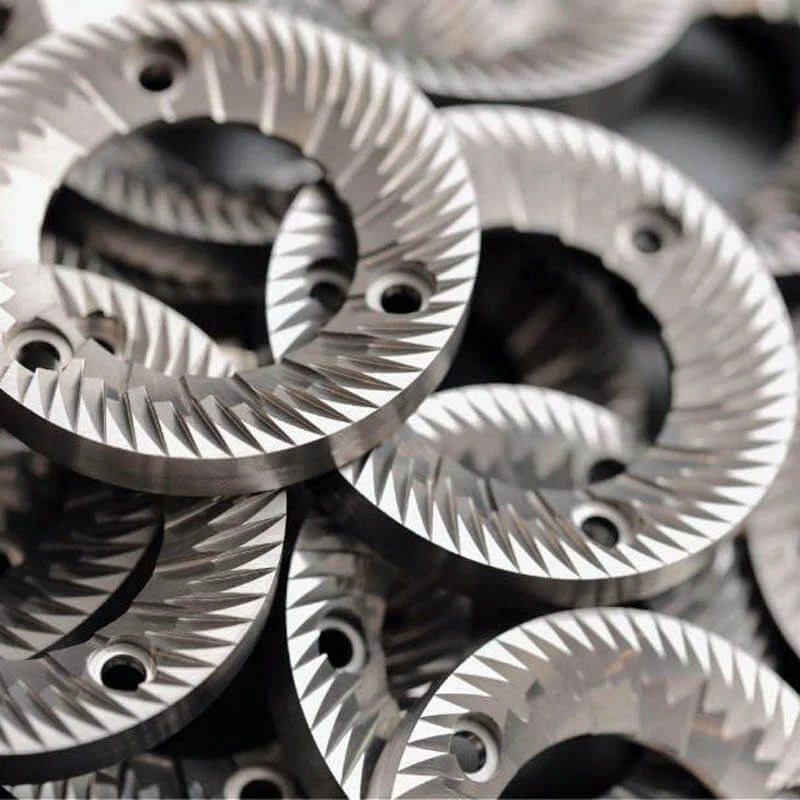
Coffee Grinder Burrs
Average lifespan — flat steel burrs:
300–600 kg of ground coffee
Signs of wear:
longer grinding times
loss of grind consistency
decrease in aromatic brightness
Water Filters
They must be replaced according to:
water hardness
litres dispensed
manufacturer’s specifications
Neglecting this aspect means drastically increasing the risk of machine failure.
Differences Between Café and Home Barista Use
In a Professional Café
Daily backflushing
Constant milk system cleaning
Machine parameter monitoring
Scheduled replacement plan
In a Home Setting
Frequency adapted to actual use
The same preventive logic
Greater attention to water management
There is only one rule: prevention costs less than repair.
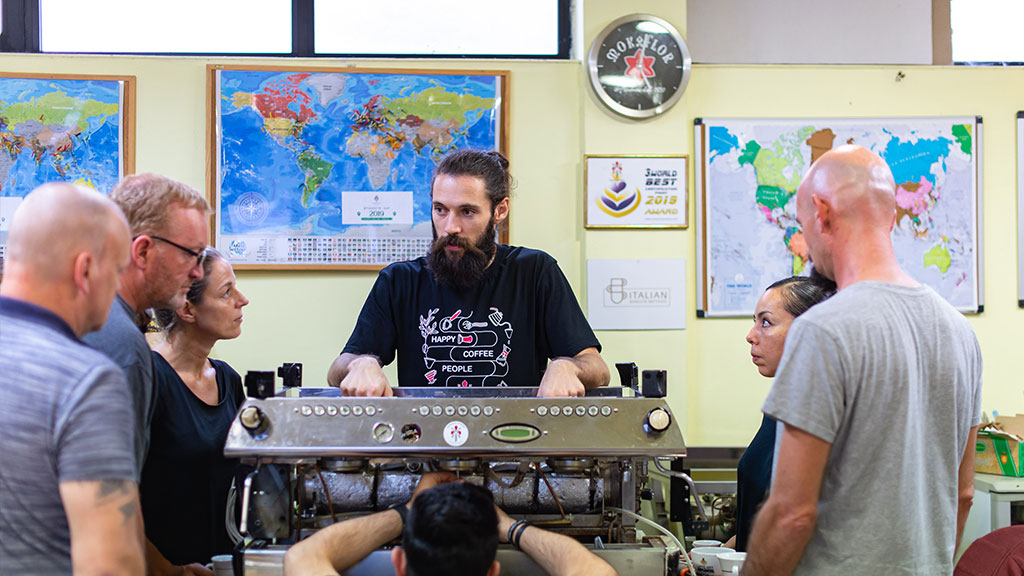
Technical Training: The Espresso Academy Course
Espresso Academy’s Espresso Machine Maintenance and Repair Course explores:
the internal structure of the espresso machine
hydraulic diagrams
electrical components
fault diagnosis
component replacement
scheduled preventive maintenance
water management
It includes a dedicated module on Water and Preventive Maintenance, following international standards.
The course is designed for:
professional baristas
coffee shop managers
technicians
advanced home baristas
Conclusion
Espresso machine maintenance is based on three fundamental pillars:
Daily cleaning with specific products
Technical water management
Preventive replacement of worn components
A properly maintained machine:
guarantees extraction consistency
reduces operating costs
extends the lifespan of the equipment
maintains high hygiene standards
A modern barista does not simply prepare coffee: they understand and manage the espresso machine system in a technical and conscious way.