

Espresso Academy x Catboat Coffee: Building a Coffee Project Together in Martha’s Vineyard (and Beyond)
7 May 2026Coffee and the FIFA World Cup 2026: Espresso, Specialty Coffee and Football Across USA, Canada and Mexico
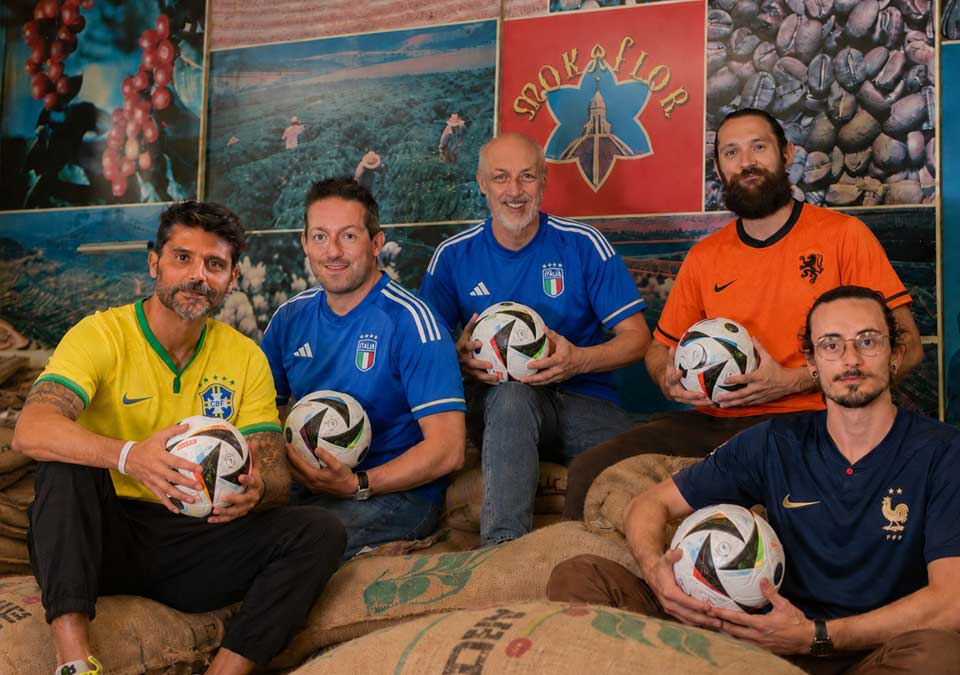
Italy, the homeland of espresso, is not playing at the FIFA World Cup 2026.
For Italian football fans, this is a painful sentence. Italy means four World Cup titles, unforgettable players, tactical intelligence, emotional national anthems and generations of supporters who grew up watching matches with an espresso before kick-off, after dinner or during a nervous half-time break.
And yet, while the Azzurri are missing from the pitch, Italian coffee culture will not be absent from the tournament.
Espresso will be there: in hotel cafés, stadium hospitality areas, airport bars, fan zones, Italian restaurants, specialty coffee shops, cold brew menus, espresso tonic recipes and coffee mocktails served across the United States, Canada and Mexico.
The FIFA World Cup 2026 is one of the largest hospitality events in the world: the first men’s World Cup hosted by three countries, the first expanded to 48 teams, and a continental journey across 16 host cities in North America. Official information about the tournament, host cities and schedule can be found on the Official FIFA World Cup 2026 information page.
For football fans, it will be a month of emotion, travel and rivalry. For baristas, roasters and coffee shop owners, it is also a case study in how coffee adapts to different cities, climates, cultures and service situations.
The United States is one of the most influential markets for specialty coffee, cold brew, espresso-based drinks, takeaway service and beverage innovation. Canada has a strong daily coffee habit, with multicultural cities where Italian espresso, North American filter coffee and third-wave cafés coexist. Mexico is both a host country and a coffee-producing origin, with regions such as Chiapas, Oaxaca, Veracruz and Puebla deeply connected to Arabica cultivation and traditional drinks.
This means that the FIFA World Cup 2026 is not just a tournament across USA, Canada and Mexico. It is also a journey through coffee culture.
FIFA World Cup 2026 Host Cities and Coffee Culture
The FIFA World Cup 2026 is spread across 16 host cities in three countries, creating one of the largest and most diverse tournament maps in football history.
In the United States, matches are played in Atlanta, Boston, Dallas, Houston, Kansas City, Los Angeles, Miami, New York/New Jersey, Philadelphia, San Francisco Bay Area and Seattle. This is the largest part of the tournament and also the most varied from a coffee perspective. Seattle recalls the American coffee boom and the growth of specialty coffee in the Pacific Northwest. Los Angeles connects coffee with lifestyle, cold drinks, plant-based milks and social media. San Francisco Bay Area brings precision, technology and third-wave brewing culture. New York/New Jersey, where the final is staged, represents global food culture, Italian espresso bars, modern roasters and high-volume hospitality. Miami adds Latin espresso culture, cafecito, cortadito and tropical coffee drinks, while cities such as Dallas, Houston, Atlanta and Kansas City show the importance of speed, workflow and consistency in large sporting events.
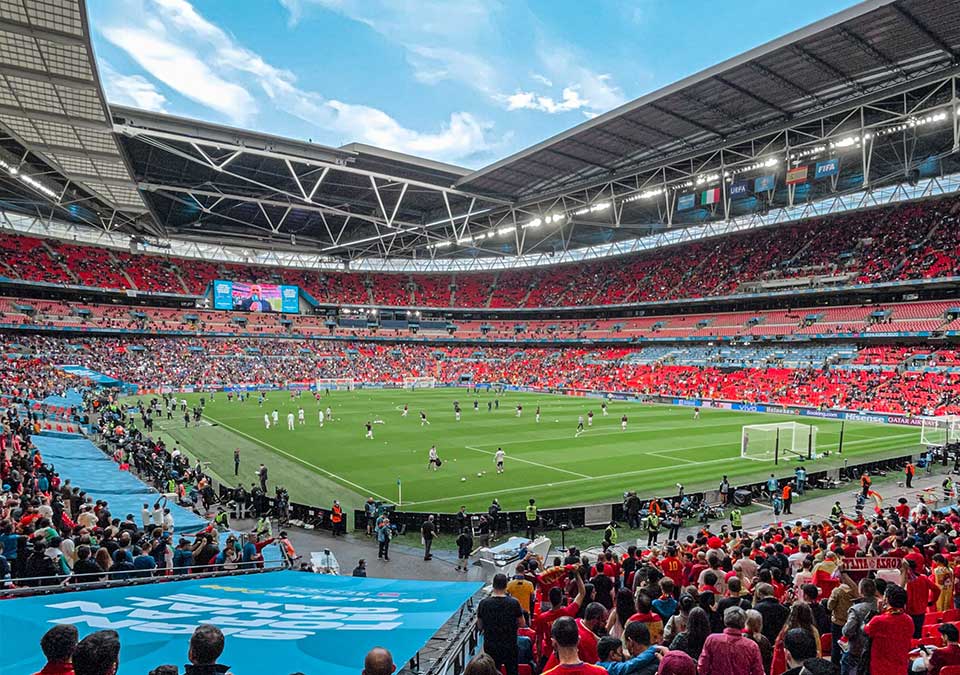
In Canada, matches are played in Toronto and Vancouver. Toronto is one of the most multicultural cities in the world, where Italian espresso, Portuguese cafés, Middle Eastern coffee, North American filter coffee, specialty roasters and global beverage trends coexist. Vancouver has a West Coast identity, strongly connected to design, quality of life, nature and clean specialty coffee. For a World Cup coffee menu, Canada can inspire simple but effective drinks such as maple cold lattes, clean filter coffees, plant-based milk drinks and seasonal cold brew recipes.
In Mexico, matches are played in Mexico City, Guadalajara and Monterrey. This makes the tournament even more fascinating because Mexico is not only a host country, but also a coffee-producing origin. Mexico City, which hosts the opening match, connects football passion, café de olla, Mexican single origins, modern specialty roasters and contemporary gastronomy. Guadalajara brings tradition and regional identity, while Monterrey represents a more modern, business-oriented and high-volume hospitality environment.
For coffee professionals, the lesson is clear: coffee is global, but service must always be local. A World Cup coffee menu for Mexico City cannot be the same as a menu for Miami, Seattle, Toronto or Los Angeles.
Why Coffee Matters During a World Cup
A World Cup changes the rhythm of a city. People wake up earlier, sleep less, travel more, walk more, wait in queues, meet friends, watch matches in groups and look for small rituals that help them feel part of the event.
Coffee is one of those rituals.
During a tournament like the FIFA World Cup, coffee becomes a morning recovery drink after a late match, a pre-game ritual before going to the stadium, an energy source for journalists, volunteers, staff, tourists and fans, and a social drink in cafés, hotels and fan zones.
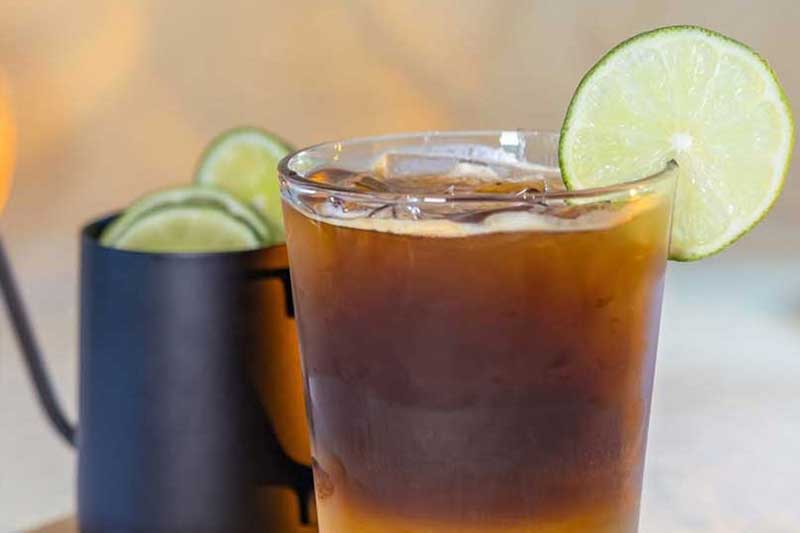
For coffee shops, the World Cup is also a menu opportunity. A normal espresso tonic can become a “Final Match Espresso Tonic.” A cold brew with citrus can become a “Kick-Off Cold Brew.” A cold café de olla can become a tribute to Mexico City. A maple cold latte can celebrate Canada. A shakerato can bring Italy into the tournament even if the Italian national team is not there.
This is beverage storytelling.
In the Espresso Academy Modern Bartending & Specialty Coffee Drinks Course, this is exactly the kind of approach we explore: coffee as an ingredient for signature drinks, alcohol-free coffee mocktails, cold brew recipes, sparkling drinks and modern café menus.
Specialty Coffee, Cold Brew and Technical Control
The United States hosts the majority of the matches and is one of the most important countries in the world for modern coffee trends. Its coffee scene includes large chains, independent roasters, Italian espresso bars, competition-level specialty cafés, cold brew brands, nitro coffee, ready-to-drink products and experimental drinks.
According to the 2026 National Coffee Data Trends Specialty Coffee Report by SCA and NCA, specialty coffee consumption in the USA remains at a record high, confirming that consumers are increasingly interested in quality, variety, flavour and experience.
During the World Cup, many international fans will not simply look for “a coffee.” They may search for a local roastery, a well-prepared cold brew, an espresso tonic, an oat milk cappuccino, a batch brew or a visually attractive iced drink before a match.
But creativity still needs technical control.
Cold brew can taste flat if the grind size is wrong. Espresso tonic can become bitter if extraction is not balanced. Milk drinks can taste heavy if espresso is over-roasted or under-extracted. Filter coffee can lose clarity if water composition is not suitable.
These are key topics in the Espresso Academy Coffee Brewing Course, where students work with brewing methods such as V60, Chemex, French press, AeroPress and cold brew. Espresso Academy has also explored this topic in the article “The Impact of Different Water Minerals on Coffee Extraction”, where we explain why water is one of the most important variables in the cup.
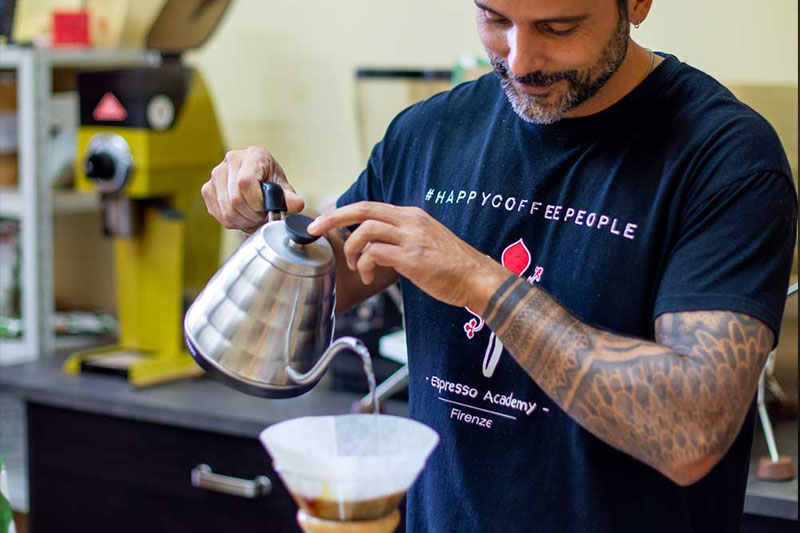
A World Cup city is a reminder that coffee quality is not only what happens in the cup. It is also what happens behind the counter. The Espresso Academy Basic Barista Course is designed to build this foundation: espresso extraction, grinder adjustment, milk texturing, cleaning, workflow and professional awareness.
Coffee-Producing Countries and Football Stories
One of the most fascinating ways to read the FIFA World Cup 2026 is through the geography of coffee.
Brazil is the easiest bridge between football and coffee. It is one of the greatest football nations in history and the largest coffee producer in the world. Brazilian coffee is essential for many espresso blends because of its sweetness, body, chocolate notes, nutty profile and natural processing tradition.
Colombia is another natural protagonist. Colombian coffee is one of the most recognised origins in the world, especially for washed Arabica, high-altitude farming and regional diversity. A Colombia-themed World Cup beverage could be a V60, batch brew or iced filter coffee designed to highlight clarity and sweetness.
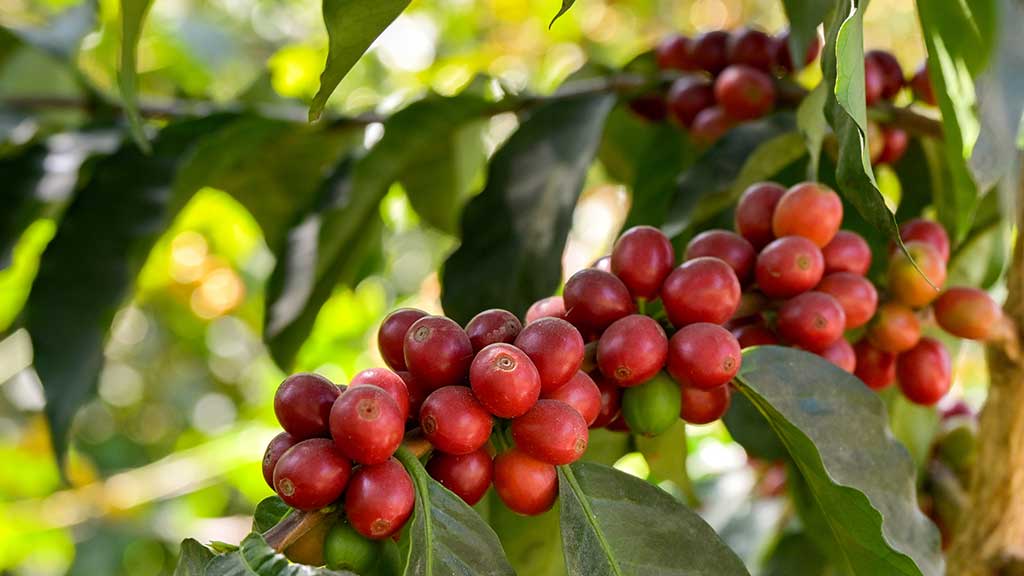
Mexico deserves a special place because it is both a World Cup host country and a major coffee-producing origin. A Mexico match can become a perfect opportunity to serve Mexican single origins, explain regions such as Chiapas, Oaxaca or Veracruz, or create modern drinks inspired by café de olla.
Turkey also deserves a special mention because Turkish coffee is one of the most iconic coffee traditions in the world. Prepared in a cezve or ibrik, with very finely ground coffee and a slow extraction that creates a dense, intense and aromatic cup, Turkish coffee is much more than a brewing method. It is a social ritual connected to hospitality, conversation, family traditions and cultural identity.
From a World Cup coffee perspective, Turkey can inspire a beautiful storytelling opportunity. A café could serve a small Turkish coffee tasting during a Turkey match, explain the difference between espresso and cezve preparation, or create a modern recipe inspired by Turkish coffee aromas, using spices such as cardamom, cocoa, cinnamon or orange peel.
Argentina arrives as defending champion and as one of the emotional centres of the tournament. It is more globally associated with mate than with coffee, but Buenos Aires and other urban centres have a strong café culture shaped by European influence, historic cafés and social rituals. For a World Cup menu, Argentina can inspire drinks with dulce de leche, chocolate and espresso.
France, Spain, England and Portugal are not major coffee-producing countries, but they are extremely important coffee cultures. France has historic cafés and a rare coffee-producing story through Réunion Island and Bourbon Pointu. Spain has café solo, cortado and café con leche, plus small coffee production in the Canary Islands. Portugal has the bica, a short espresso-style coffee deeply embedded in daily life. England, historically more associated with tea, has become one of Europe’s most dynamic specialty coffee markets, especially in London.
Coffee-Producing Countries Playing at the FIFA World Cup 2026
Several World Cup teams are also connected to coffee production, either as major origins, specialty icons or micro-origin curiosities.
| Country | Coffee Relevance | World Cup Coffee Story |
| Brazil | World’s largest coffee producer | Ideal for espresso, cold brew and milk drinks with chocolate and nutty notes. |
| Colombia | Iconic Arabica origin | Perfect for filter coffee storytelling and regional diversity. |
| Mexico | Host country and coffee origin | Connects football, café de olla, Chiapas, Oaxaca and specialty roasting. |
| Côte d’Ivoire | Historic Robusta producer | Useful for discussing Robusta and African coffee quality. |
| DR Congo | African origin with specialty potential | Interesting for Arabica from Kivu and smallholder projects. |
| Panama | Small producer with huge specialty reputation | Famous for Geisha/Gesha coffees from Boquete and Chiriquí. |
| Ecuador | Arabica and Robusta production | A story of biodiversity, altitude and emerging specialty coffee. |
| Saudi Arabia | Historic Khawlani coffee cultivation | Strong link between coffee, hospitality and heritage. |
| United States | Coffee grown in Hawaii and Puerto Rico | Kona, Kauai and Puerto Rican coffees add an origin story. |
| Australia | Small-scale Arabica production | Famous for café culture, but also a small producing country. |
| Argentina | Experimental micro-origin | A curiosity connected to northern subtropical areas. |
| Spain | Tiny production in the Canary Islands | Agaete coffee is a rare European coffee story. |
| France | Réunion Island and Bourbon Pointu | A rare and elegant micro-origin connection. |
| Japan | Very small production, especially Okinawa | Known for precision brewing, with small domestic farms. |
| Portugal | Small Azorean coffee curiosities | Mostly a café culture, with minor agricultural production. |
For a coffee shop, this list is extremely useful. A World Cup menu does not have to be based only on flags and colours. It can be based on origins, brewing traditions and café cultures.
A Brazil vs Colombia match can become a comparative filter tasting. A Mexico match can inspire a café de olla cold brew. A Panama match can become the perfect moment to serve or explain Geisha coffee. A Turkey match can become a beautiful opportunity to present Turkish coffee prepared in a cezve or ibrik.
This is where football becomes a gateway to coffee education.
World Cup Coffee Recipes for Baristas and Coffee Shops
A major sporting event is a perfect opportunity to create limited-edition drinks. A good match-day drink should be fast to prepare, easy to explain, visually clear, balanced, suitable for summer and connected to a country, city or football moment.
For more inspiration, Espresso Academy has already published a complete guide to Summer Coffee Recipes and an article on Cold Brew vs Iced Coffee.
Mexico City Kick-Off Café de Olla Cold Brew
Prepare a cold brew with Mexican coffee, ideally from Chiapas, Oaxaca or Veracruz. Serve it over ice with piloncillo or brown sugar syrup, cinnamon, orange peel and cold water or sparkling water. The goal is not to copy traditional café de olla exactly, but to translate its memory into a refreshing World Cup drink.
New York Final Espresso Tonic
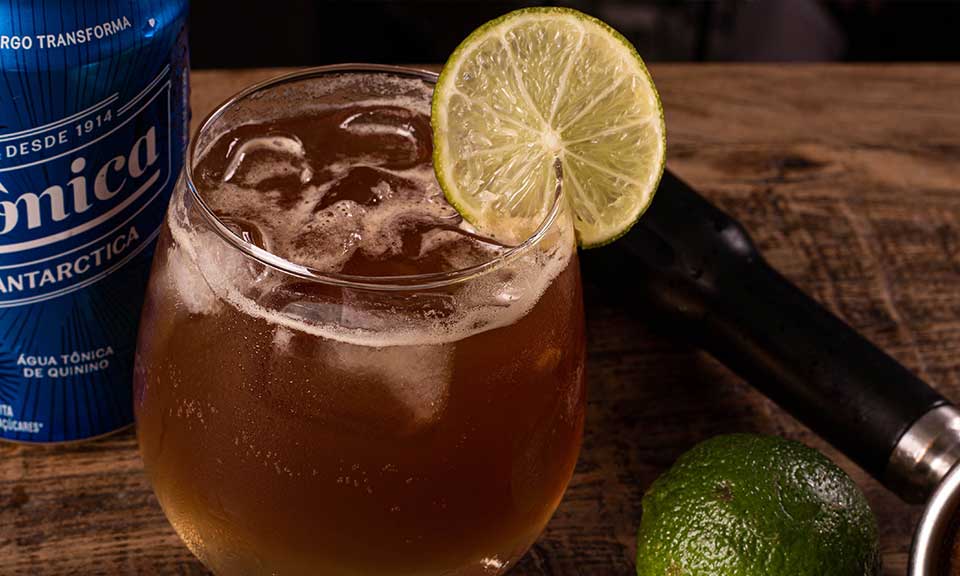
Build a sparkling drink with tonic water, ice, a double espresso and citrus peel. A washed Ethiopian, Kenyan, Colombian or Central American coffee can bring floral and citrus notes, while a Brazilian espresso blend gives a softer and more chocolatey profile.
Miami Cafecito Shakerato
Shake a double espresso with demerara syrup and ice. Add a little coconut water for a lighter tropical version and garnish with lime peel. This drink connects Italian shakerato technique with Latin American sweetness and Miami energy.
Canada Maple Cold Latte
Combine espresso, cold milk or oat milk, ice and maple syrup. A small pinch of salt can improve balance and reduce excessive sweetness. This drink works well with Brazilian, Colombian or medium-roasted espresso blends.
Brazil vs Colombia Origin Brew
Offer two small filter coffees side by side: a Brazil natural coffee with chocolate, nuts and round body, and a Colombia washed or experimental coffee with fruit, acidity and sweetness. It is both a drink and an educational experience.
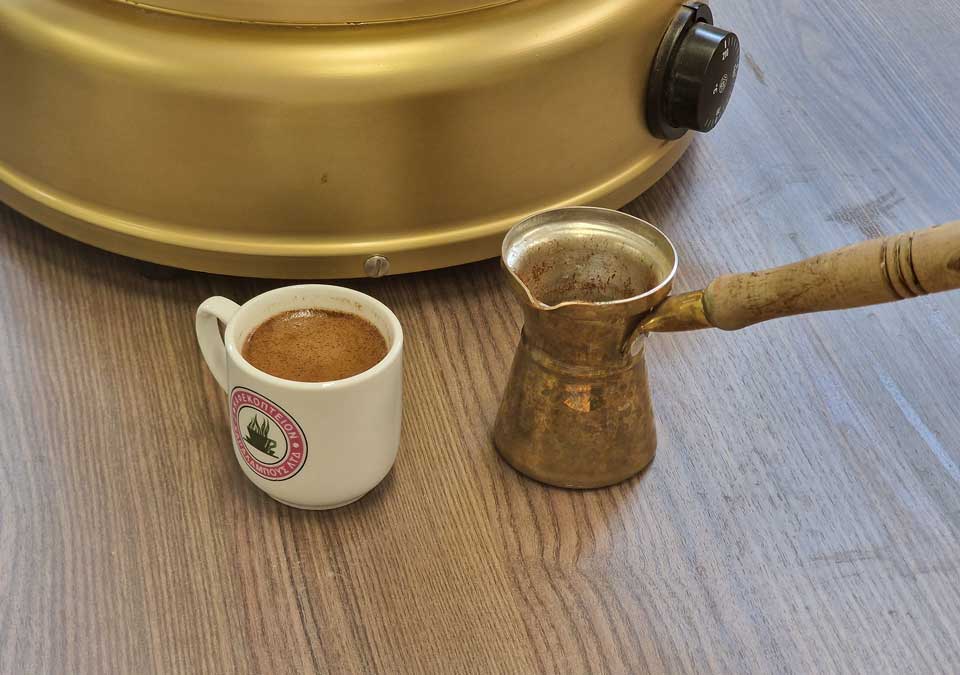
Turkish Coffee Half-Time Ritual
Prepare Turkish coffee in a cezve or ibrik using very finely ground coffee and water, with sugar if desired. Serve it in a small cup and let the grounds settle. It is not a fast takeaway drink, but a ritual connected to hospitality and tradition.
World Cup Cold Brew Spritz
Build a non-alcoholic coffee mocktail with cold brew, sparkling water, orange juice, lemon juice, simple syrup and ice. It is refreshing, easy to batch and suitable for terraces, fan zones and summer menus.
If you want to learn how to design this kind of drink professionally, from ingredient balance to preparation workflow, our Modern Bartending & Specialty Coffee Drinks Course is designed exactly for this new generation of coffee-based beverages.
What Coffee Shops Can Learn from the FIFA World Cup 2026
The FIFA World Cup 2026 offers several lessons for coffee professionals.
Coffee is global, but service must be local. A Colombian fan, a Canadian fan, a Japanese fan and a Portuguese fan may all drink coffee, but they may not expect the same beverage. Cold coffee is no longer secondary. Because the tournament is played in summer and across warm cities such as Miami, Los Angeles, Dallas, Houston, Monterrey and Mexico City, cold brew, espresso tonic, iced lattes and coffee mocktails are strategic menu items.
Origin storytelling can become emotional. Brazil, Colombia, Mexico, Panama, Ecuador, Côte d’Ivoire, DR Congo and other coffee-producing countries can be connected to football stories.
Brewing traditions are powerful storytelling tools. Turkish coffee, Portuguese bica, Spanish cortado, Italian espresso and American cold brew can tell as much about culture as a single-origin filter brew.
Barista training is a competitive advantage. During high-volume moments, only well-trained teams can maintain quality. Good coffee service is not improvised. It comes from technique, workflow and understanding.
Espresso Academy: Learn the Skills Behind World Coffee Culture
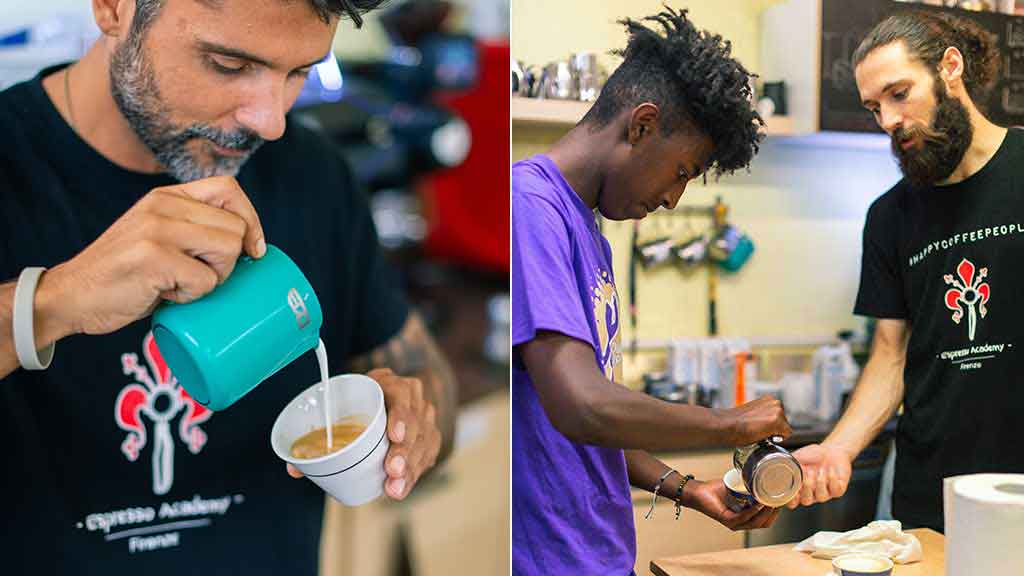
At Espresso Academy in Florence, we train students from all over the world in espresso, brewing, roasting, latte art, coffee tasting, sustainability, coffee shop management and modern coffee drinks.
If the FIFA World Cup 2026 shows us anything, it is that coffee is no longer limited to one country or one tradition.
Coffee is Italian espresso. Coffee is Mexican café de olla. Coffee is American cold brew. Coffee is Canadian daily ritual. Coffee is Brazilian origin. Coffee is Colombian filter coffee. Coffee is Panamanian Geisha. Coffee is Saudi Khawlani heritage. Coffee is Turkish coffee prepared in a cezve or ibrik.
To understand this world professionally, you need more than passion. You need method.
You can start with our Basic Barista Course to learn espresso extraction, milk texturing and professional bar workflow. You can join our Coffee Brewing Course to explore V60, Chemex, cold brew, French press, extraction theory and SCA/IBC certification.
You can discover our Modern Bartending & Specialty Coffee Drinks Course if you want to create coffee mocktails, cold brew recipes, signature drinks and innovative beverage menus.
And if you want to understand how roasting shapes every espresso, filter coffee and cold brew recipe, our Coffee Roasting and Blending Course is the perfect step into the world of roast profiles, green coffee and sensory development.
Conclusion: Italy Is Missing, But Espresso Is Everywhere
The FIFA World Cup 2026 will be remembered for the expanded 48-team format, the three host countries, the huge stadiums, the final in New York/New Jersey, the opening in Mexico City and the stories of great teams, legends, debutants and surprise results. For Italian fans, it will also be remembered as another painful World Cup without the Azzurri.
But Italy may not be present on the football pitch, while one of Italy’s greatest cultural exports will be present everywhere: espresso.
It will be served before matches in hotel cafés. It will be transformed into iced drinks in Miami. It will be mixed with tonic in New York. It will become a shakerato in Los Angeles. It will meet maple syrup in Canada. It will dialogue with café de olla in Mexico. It will stand beside Turkish coffee, Portuguese bica, Spanish cortado and American cold brew.
Football brings nations together for 90 minutes.
Coffee brings people together every day.
And in the summer of 2026, across the USA, Canada and Mexico, these two worlds will meet on one of the most exciting cultural stages on the planet.